The eDNA Collaborative: Bringing eDNA Researchers Together
The eDNA Collaborative aims to disseminate, accelerate and reinforce science that brings environmental DNA (eDNA) analysis and techniques out of the lab and into routine practice around the world.
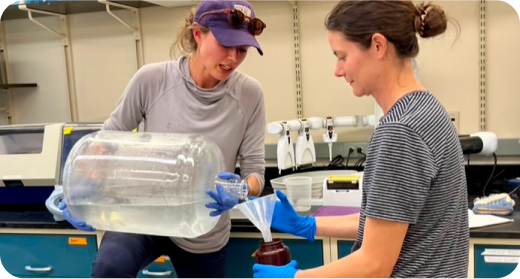
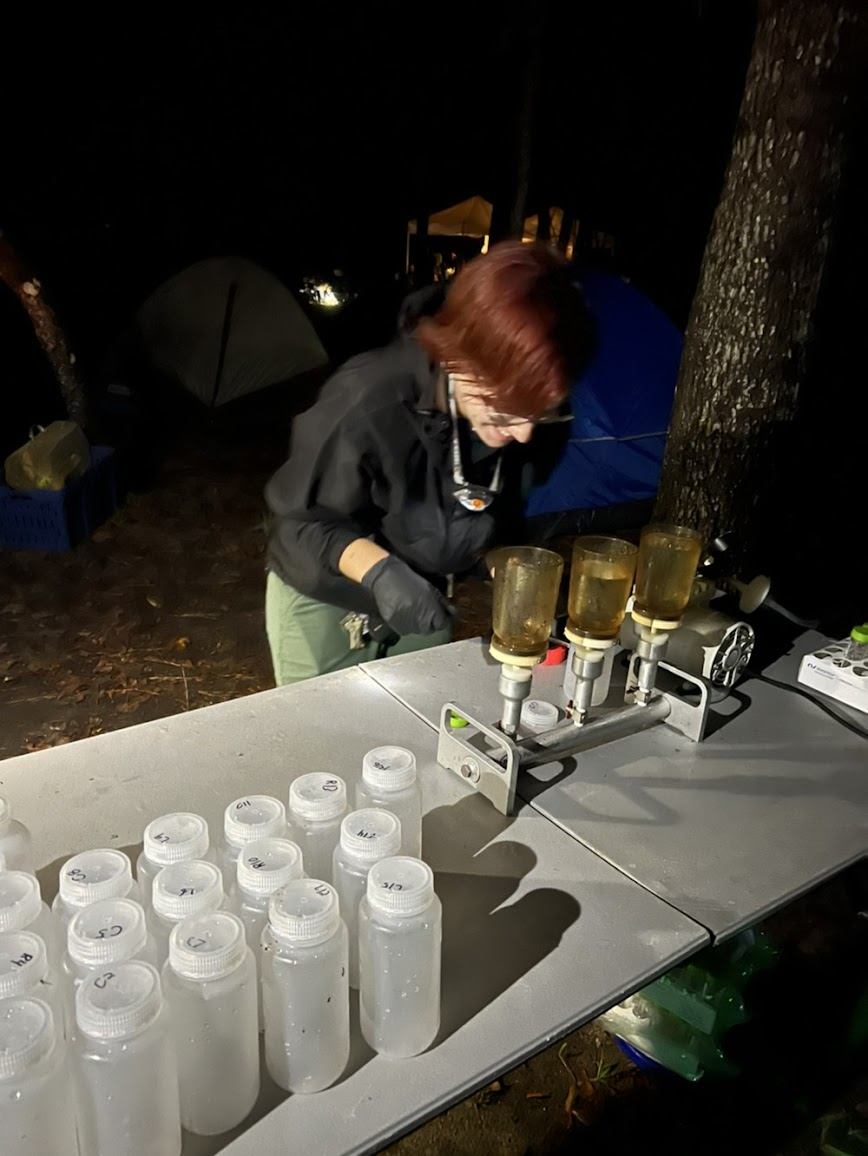
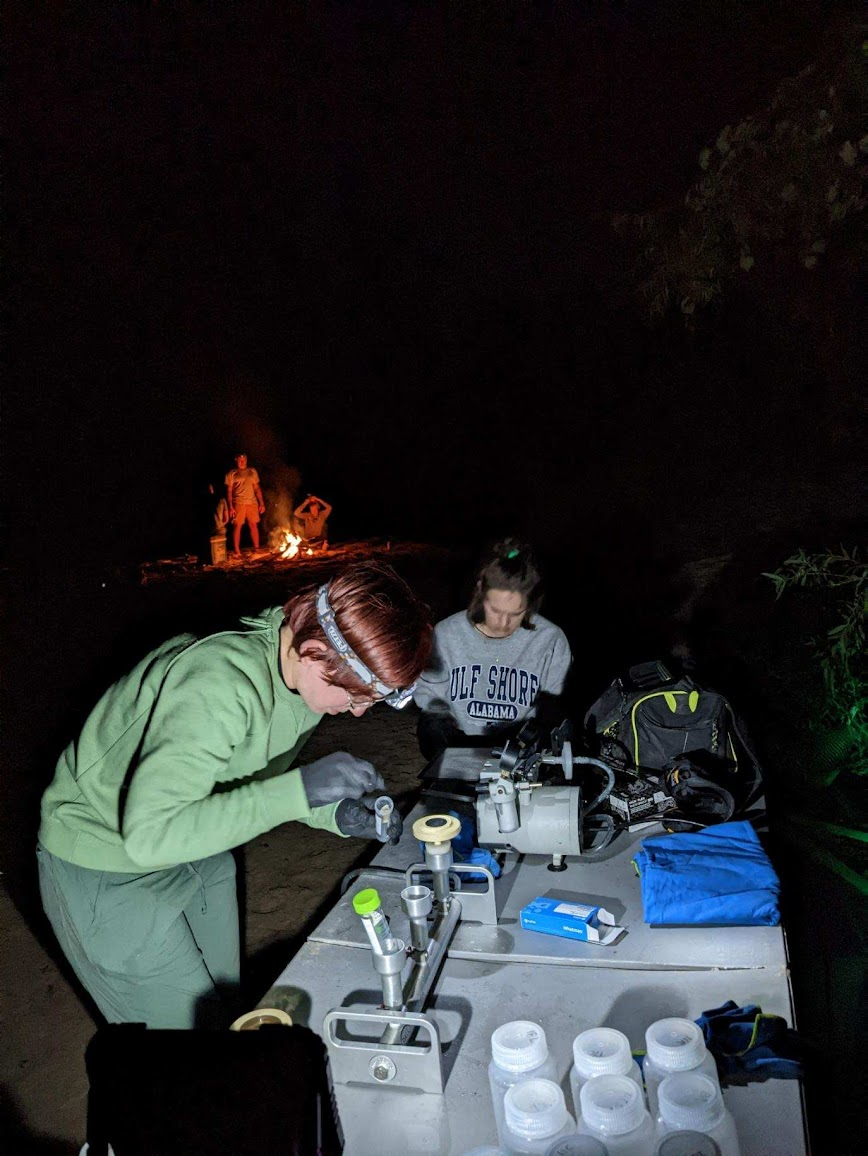
eDNA Collaborative Chief Scientist Eily Allan and Research Scientist Megan Shaffer subdividing water samples.
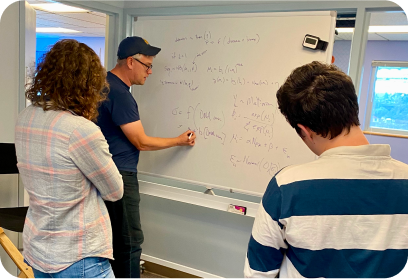
NOAA scientist Ole Shelton working out modeling terms with eDNA Collaborative visitors.
Core Research
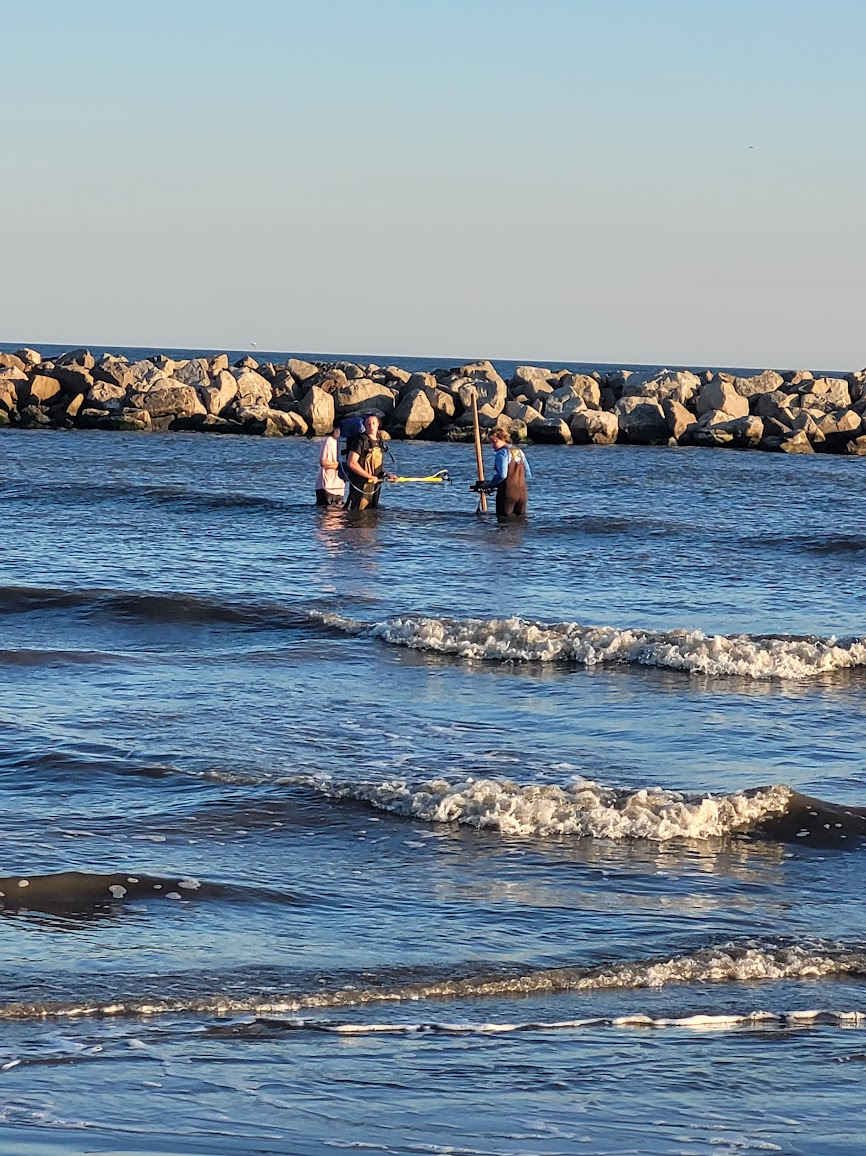
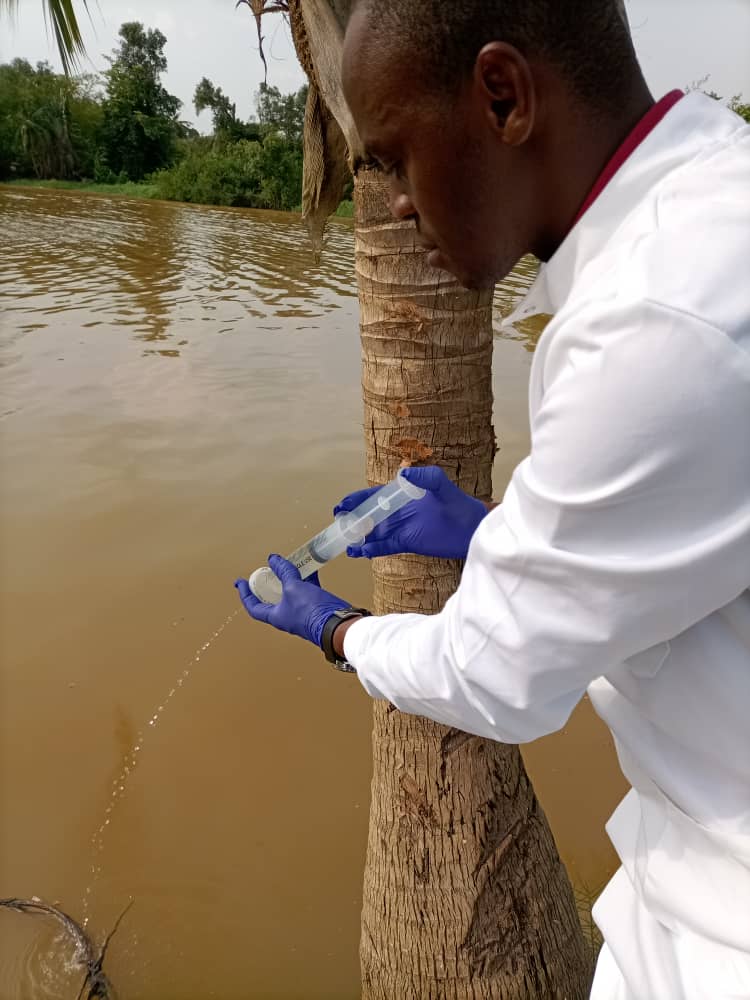
The eDNA Collaborative is working to make eDNA techniques more accessible to more people throughout the world. This includes developing cheaper and more robust lab and field methods for eDNA and publicizing those results with an aim toward driving the costs of eDNA analysis down and participation up. These efforts center on addressing challenges common in countries that are historically underrepresented in molecular-ecological research.
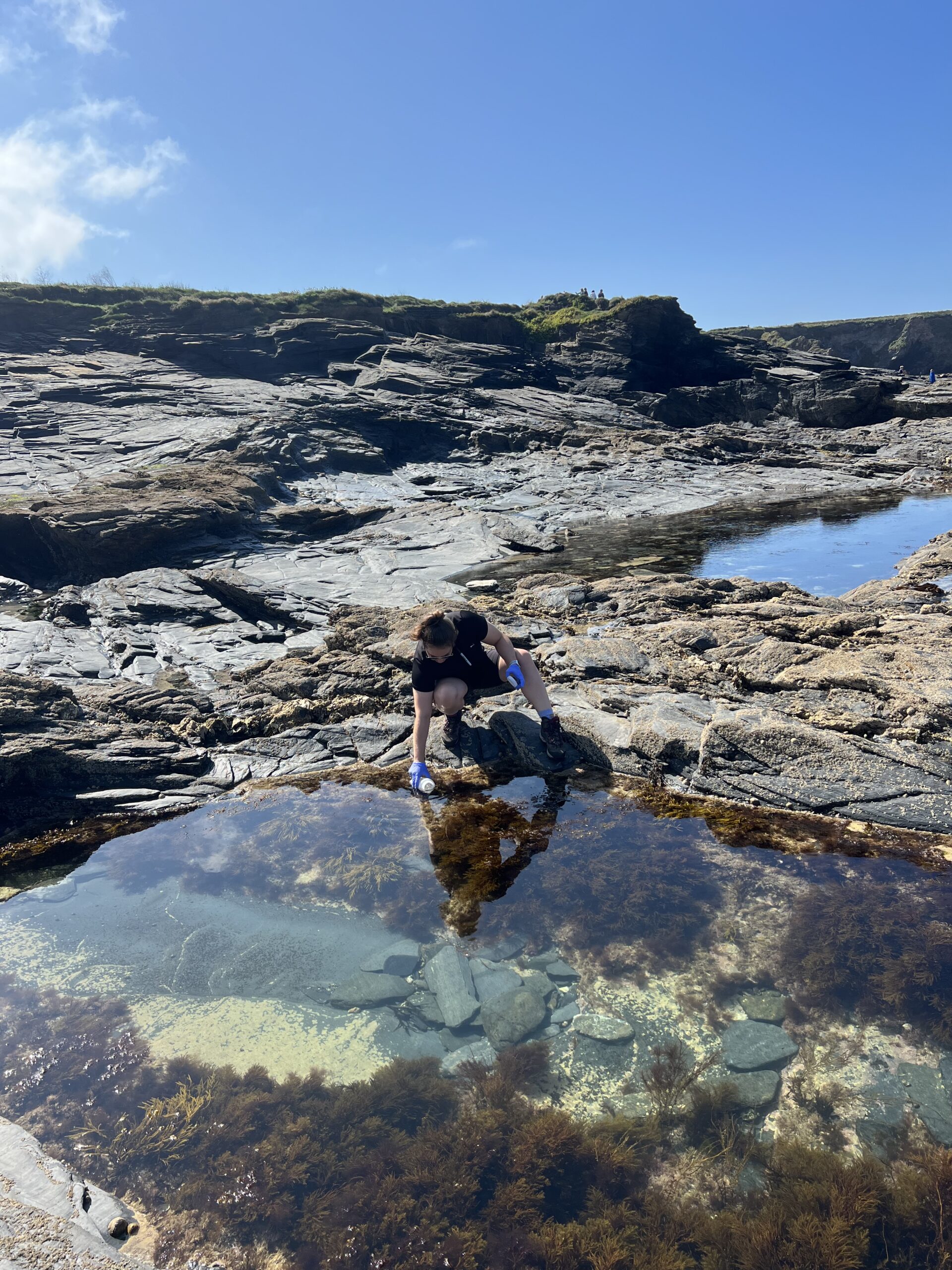
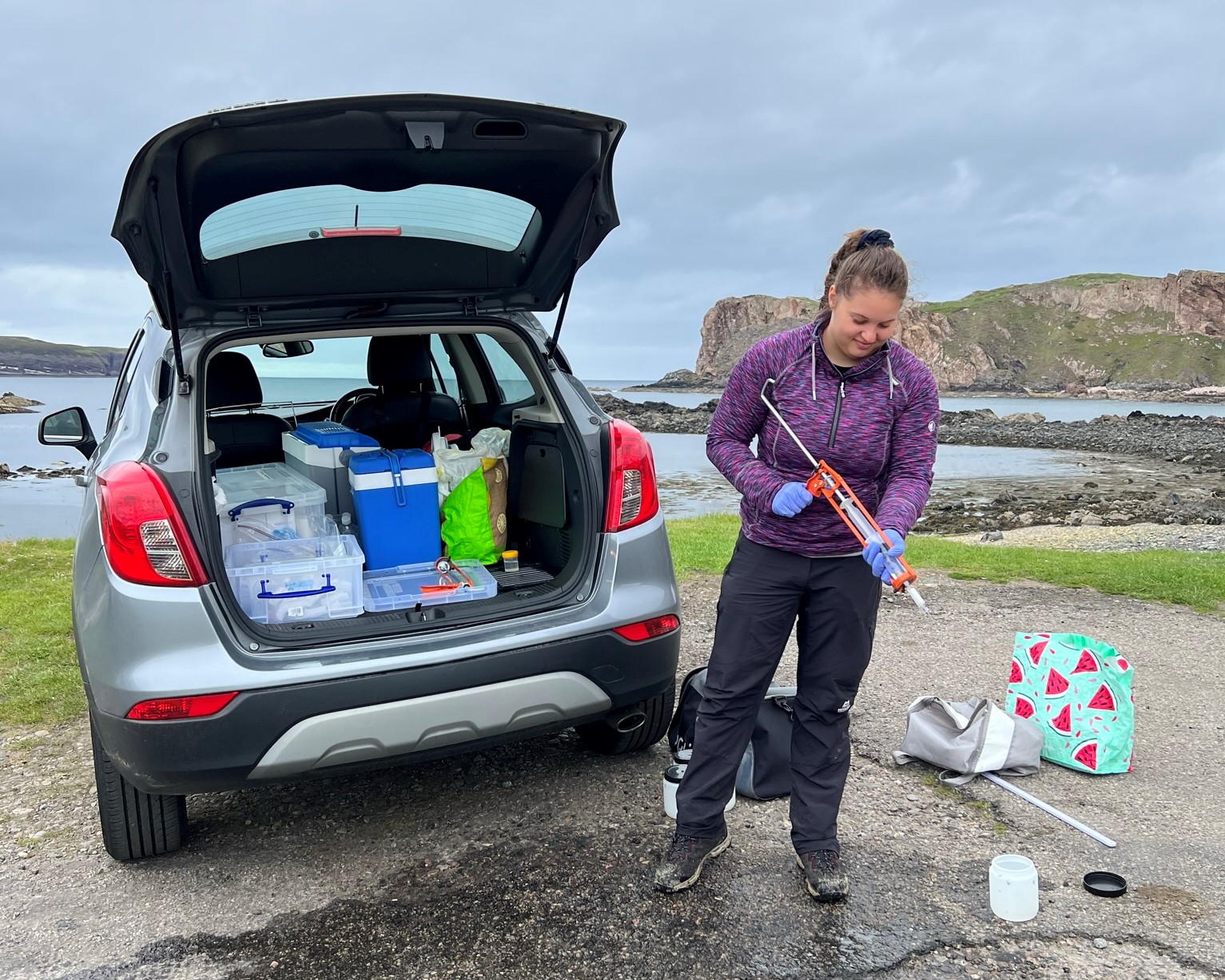
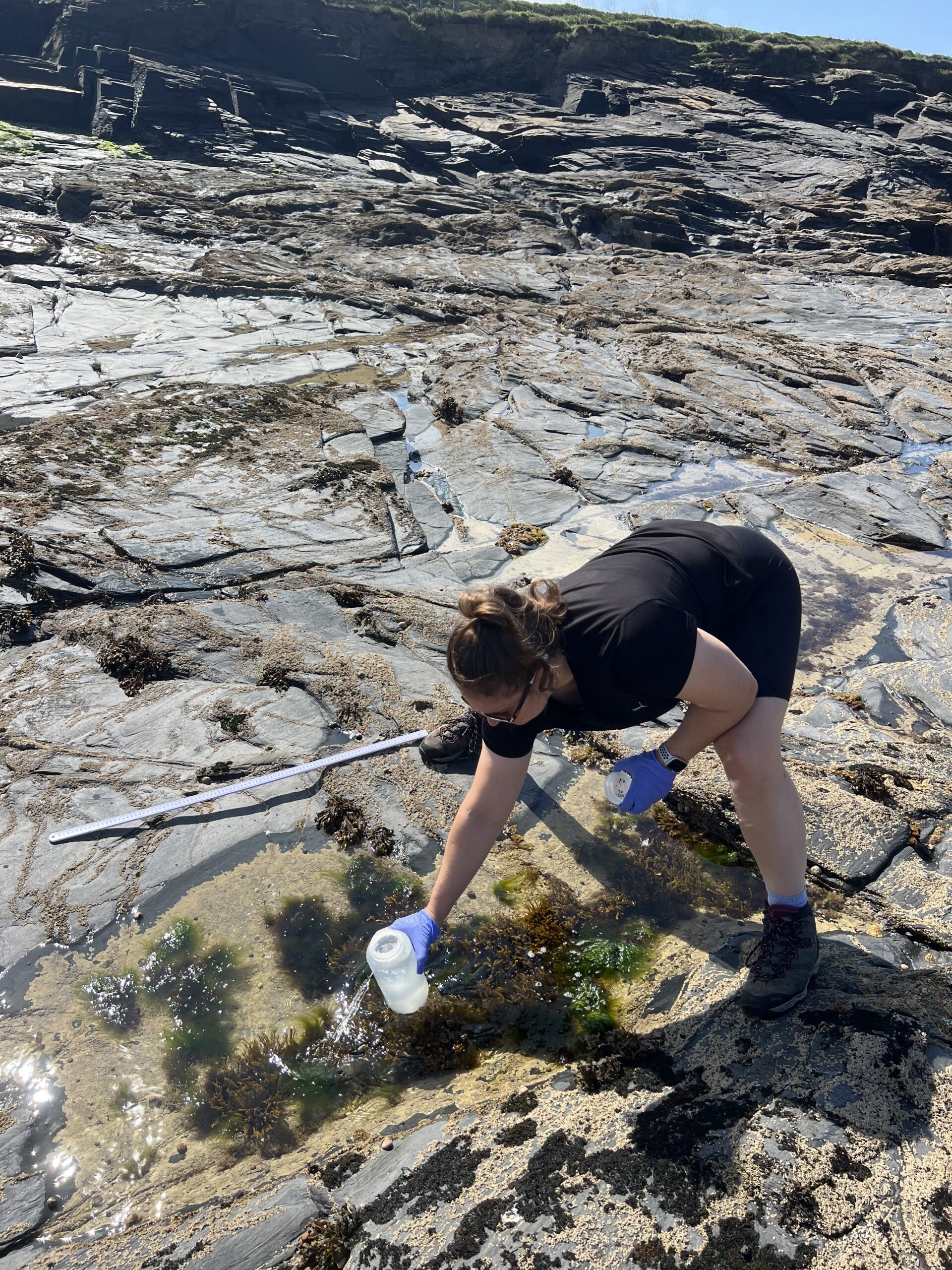
Post Doctoral researcher Dr. Dina-Leigh Simons from University of Liverpool (UK) collecting marine eDNA samples across varying locations in the UK
~ Photo credit: Dina-Leigh Simons
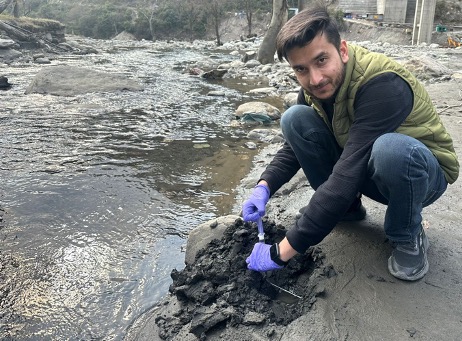
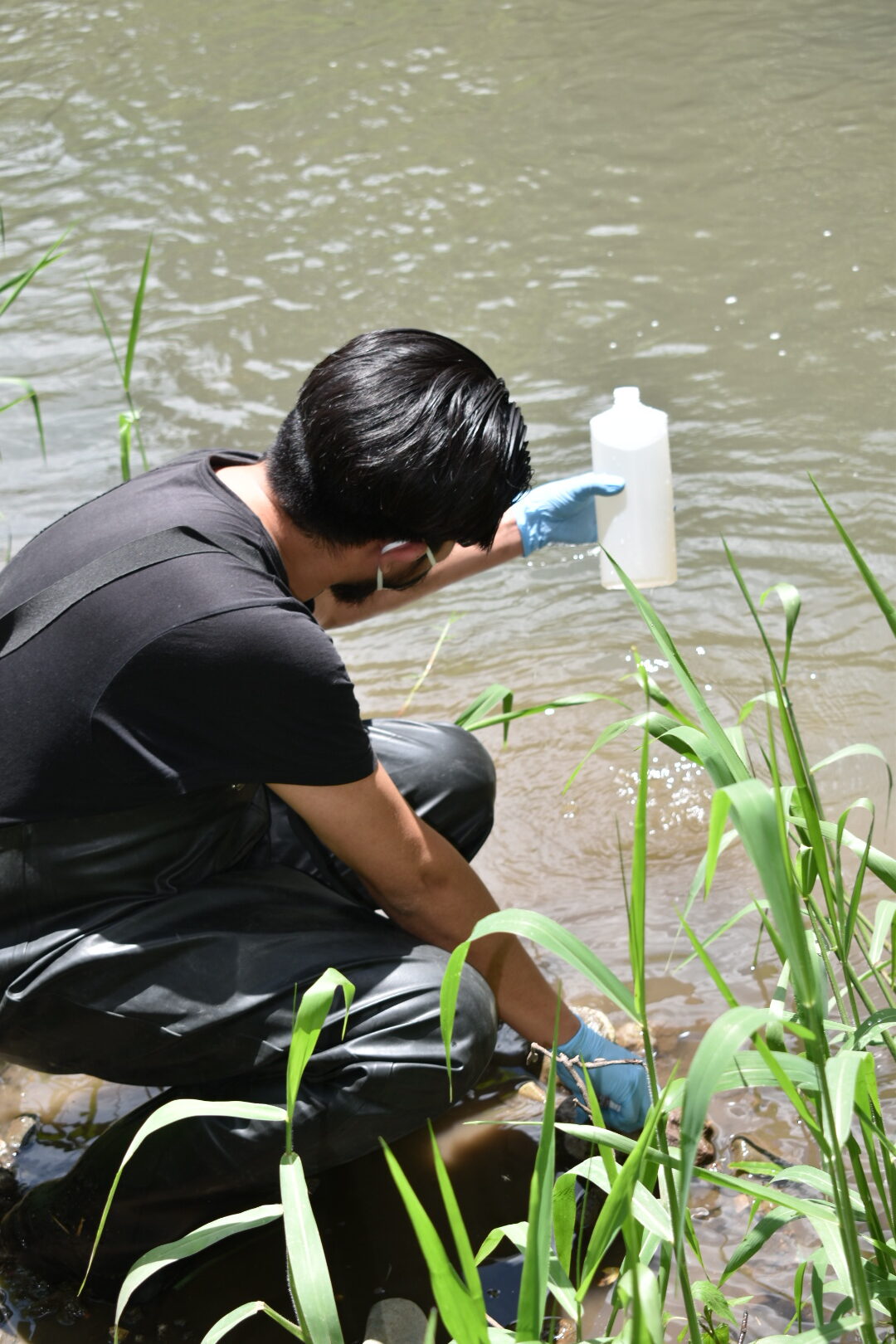
Rajat Dhiman, PhD student at Indian Institute of Technology, Mandi (Himachal Pradesh, India) collecting pore-water samples near a riverbed
~ Photo credit: Dr. Harshad Vijay Kulkarni, ITT Mandi
Post Doctoral researcher Dr. Dina-Leigh Simons from University of Liverpool (UK) collecting marine eDNA samples across varying locations in the UK
~ Photo credit: Dina-Leigh Simons
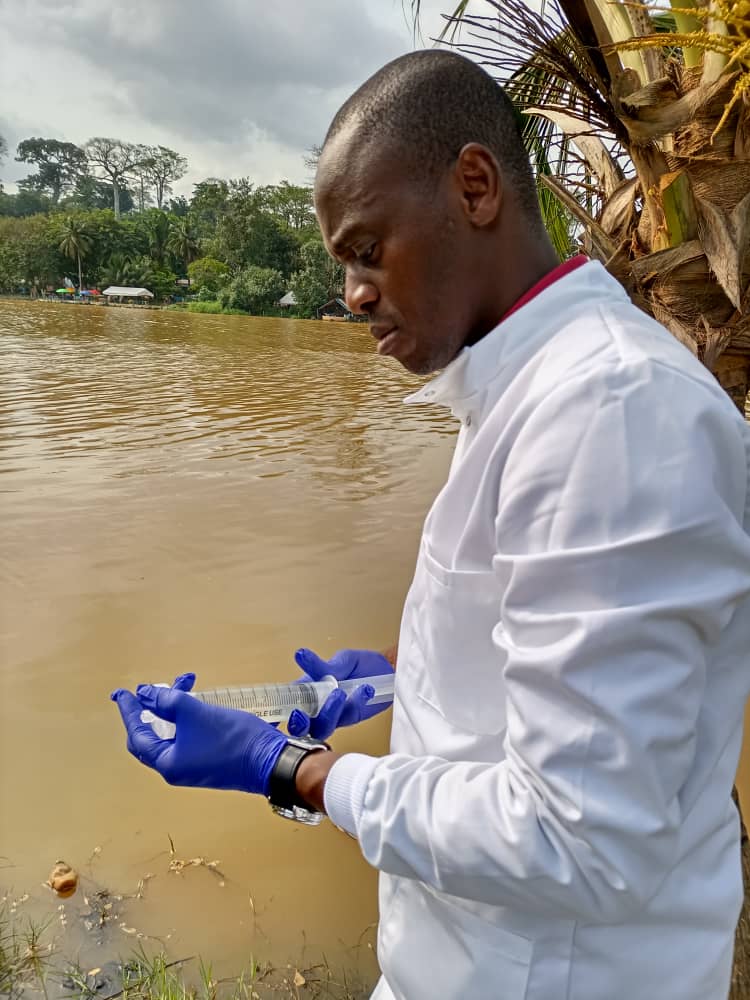
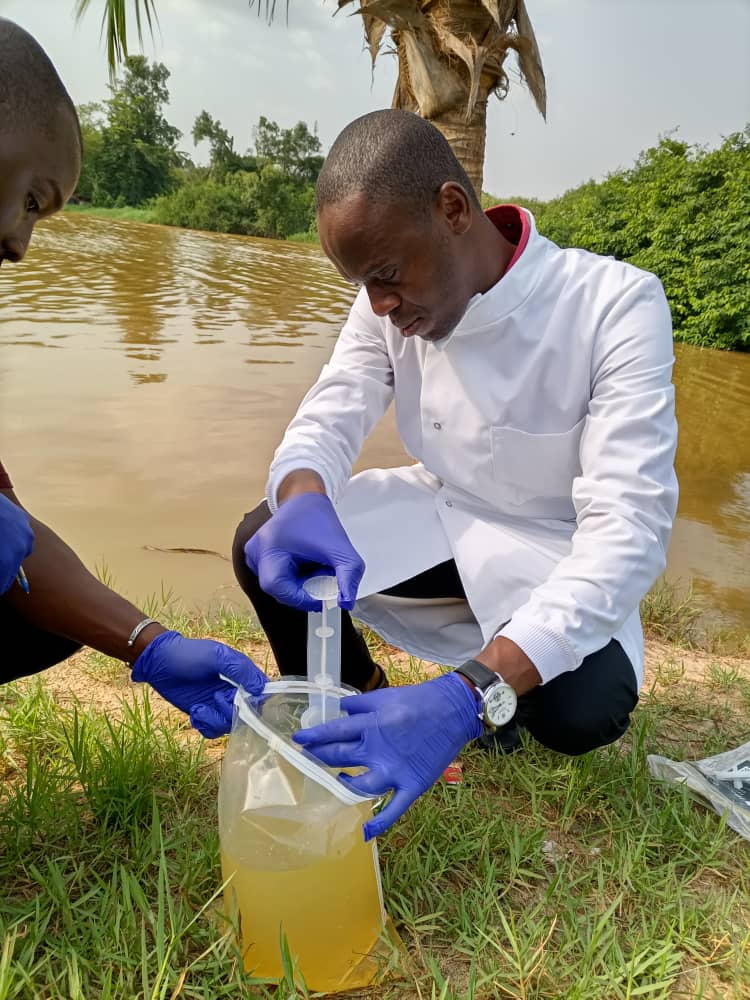
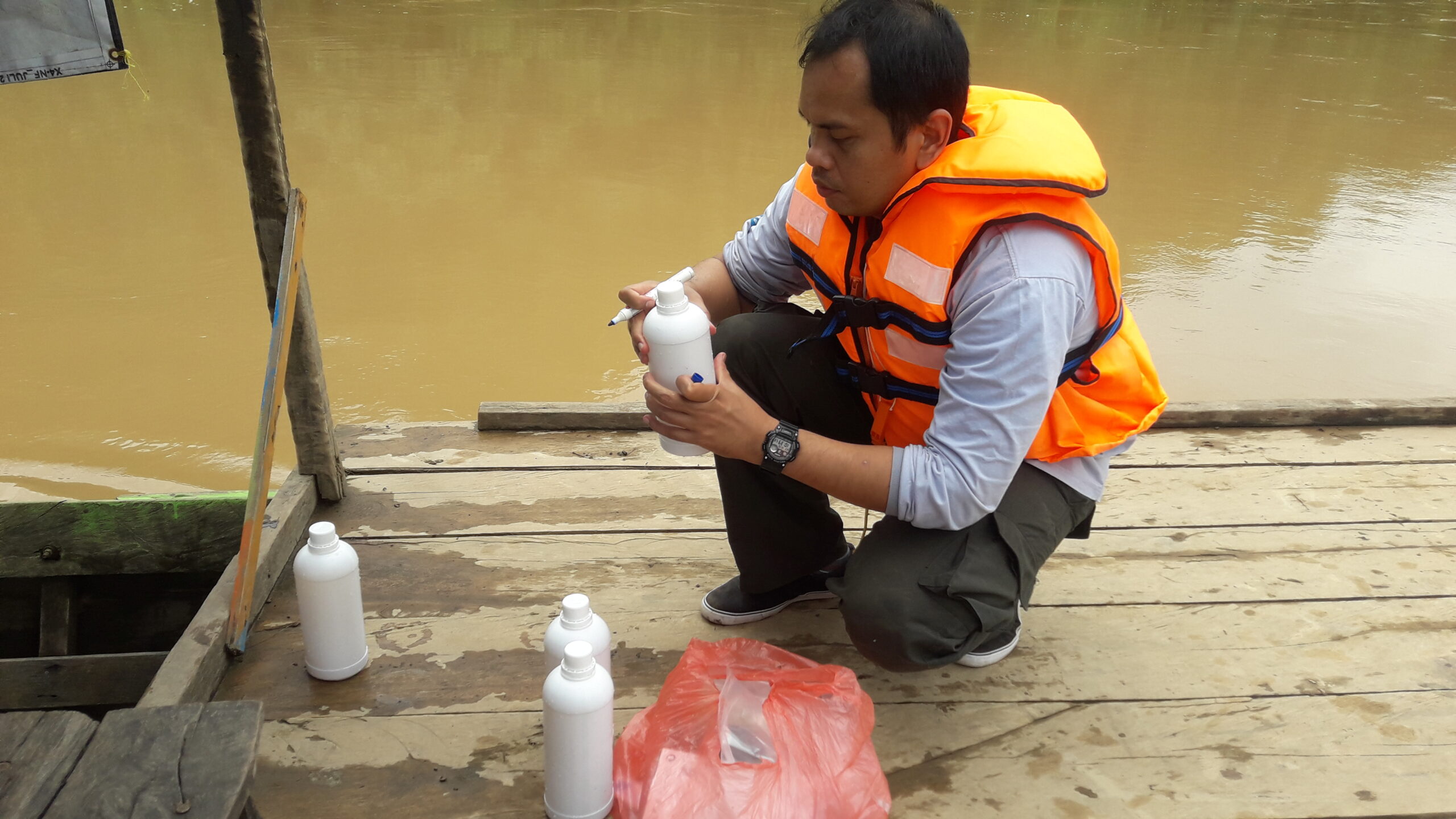
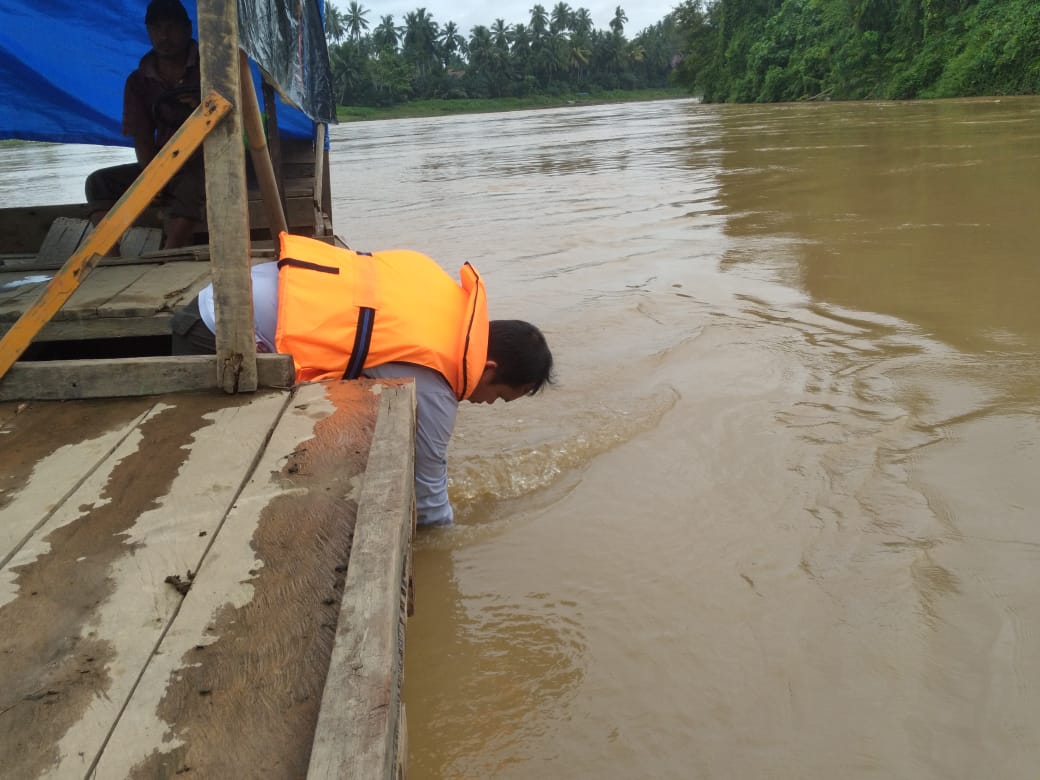
Khairul Syahputra from BRIN (indonesia) collecting water samples from the Batanghari River, Jambi Province, Indonesia
~ Photo credit: Jadmiko Darmawan, National Research and Innovation Agency of Republic of Indonesia (BRIN)
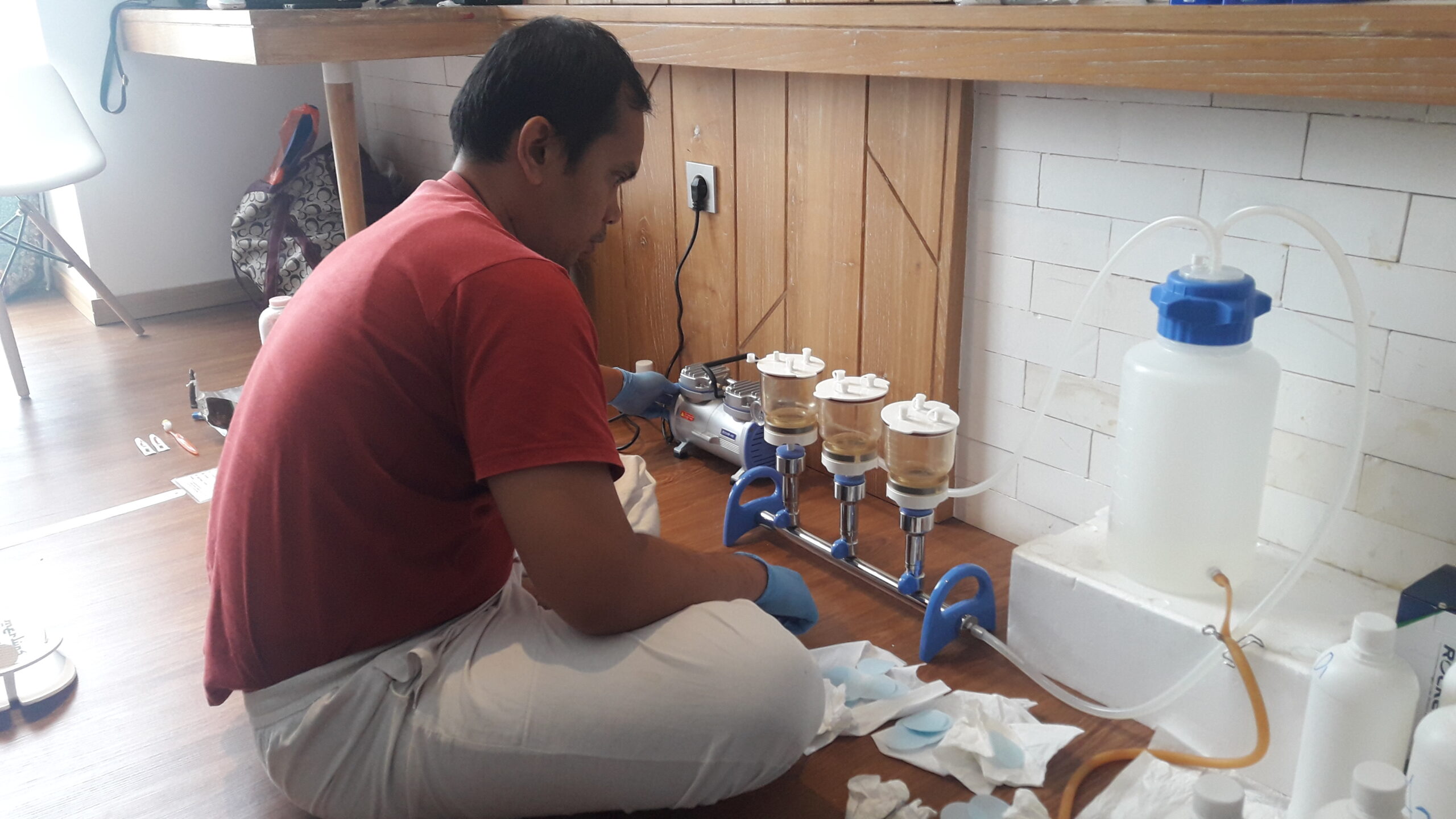
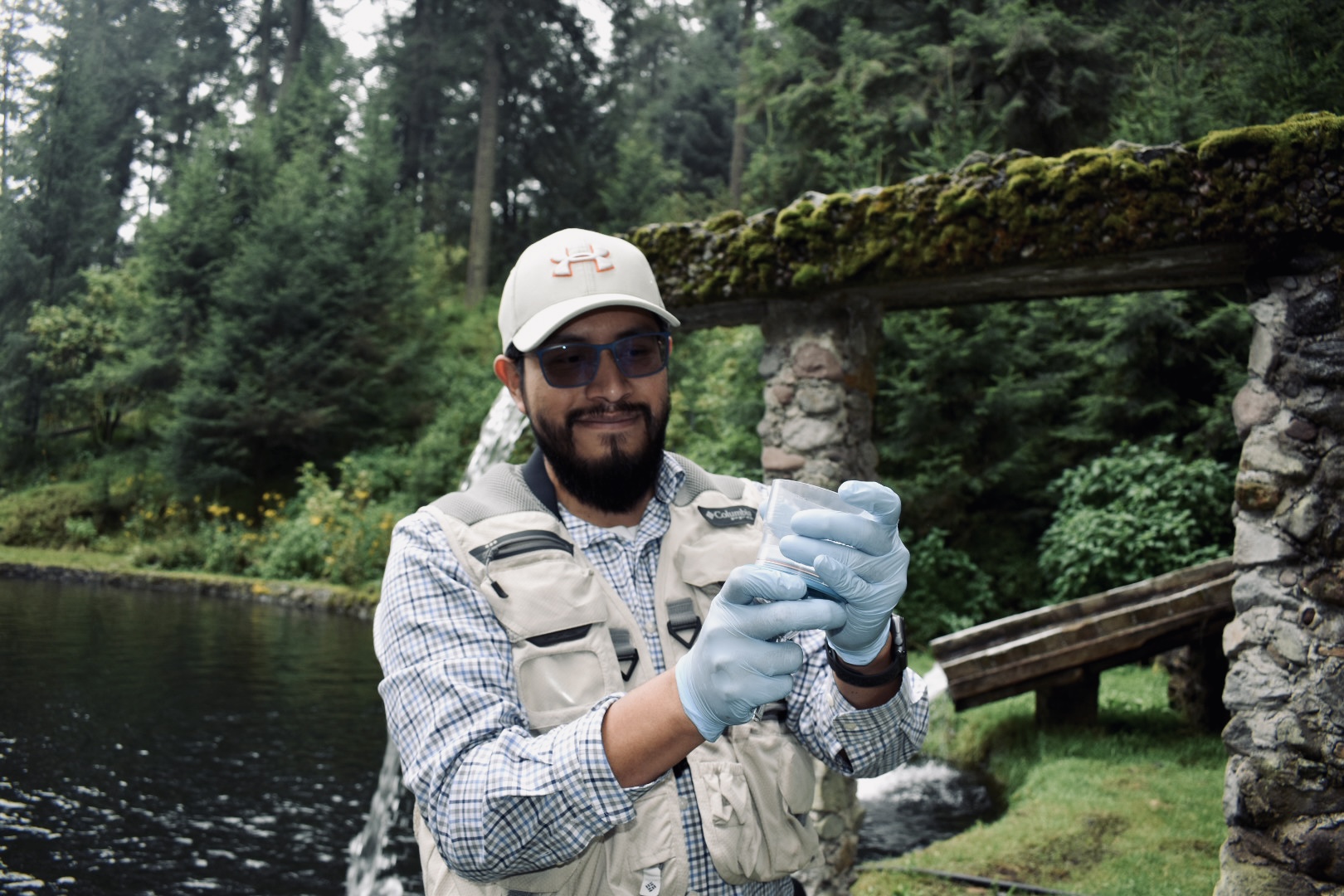
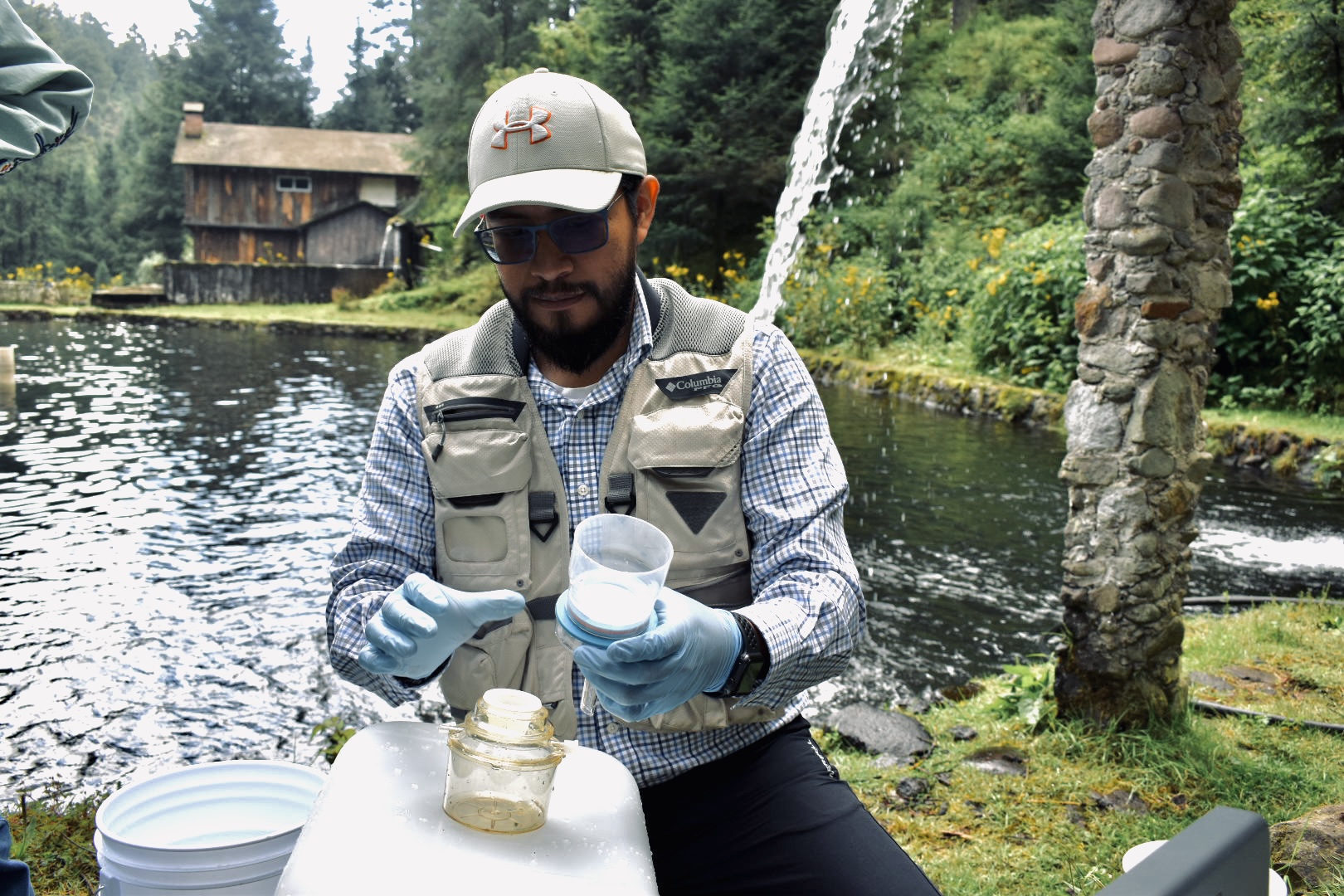
Khairul Syahputra from BRIN (indonesia) filtering water samples from the Batanghari River, Jambi Province, Indonesia
~ Photo credit: Huria Marnis, National Research and Innovation Agency of Republic of Indonesia (BRIN)
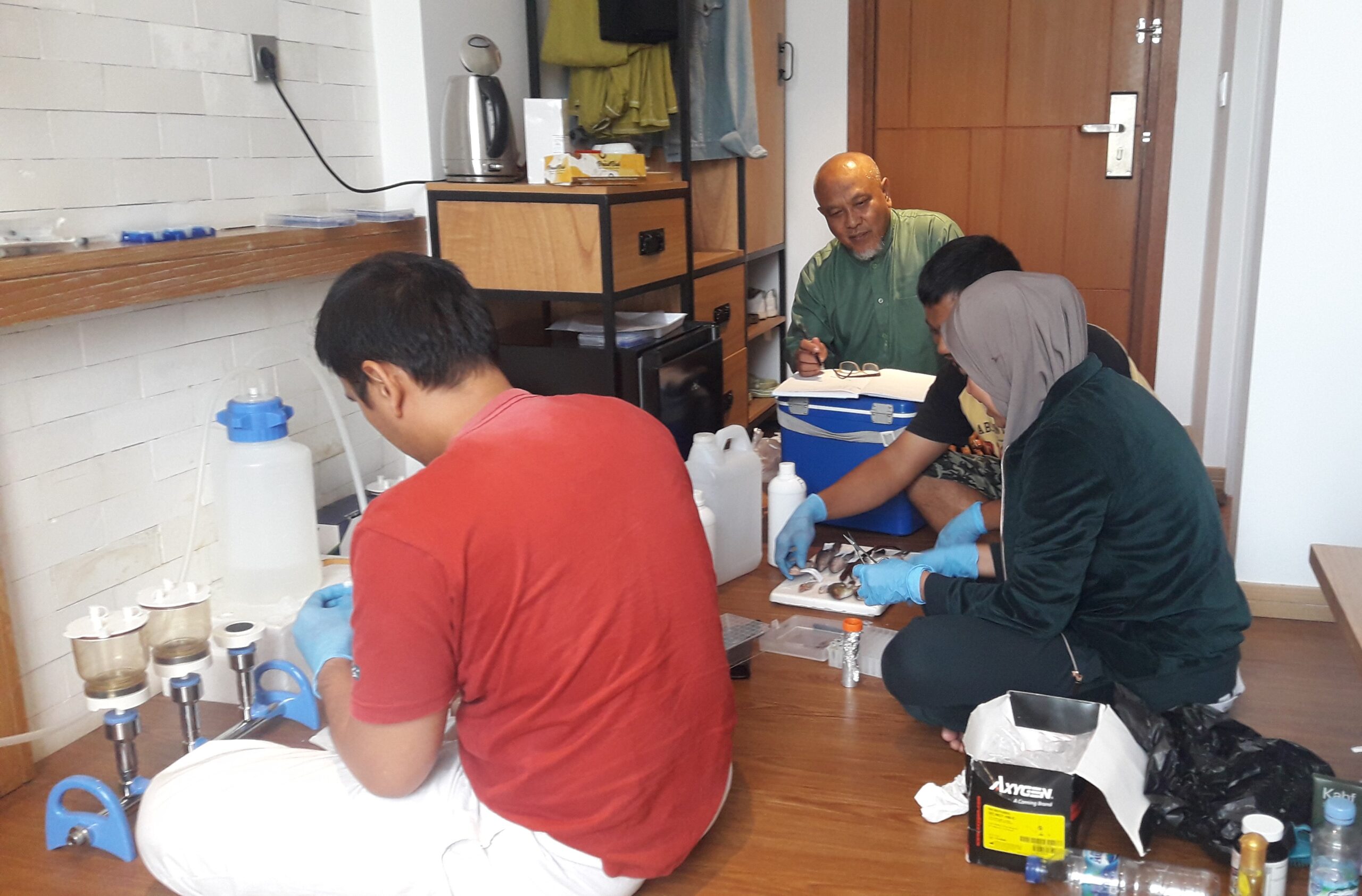
Khairul Syahputra, Evi Tahapari, Huria Marnis, Jadmiko Darmawan (left to right) from BRIN (indonesia) filtering water samples and measuring fish morphology from the Batanghari River, Jambi Province, Indonesia
~ Photo credit: Huria Marnis, National Research and Innovation Agency of Republic of Indonesia (BRIN)
Khairul Syahputra from BRIN (indonesia) collecting water samples from the Batanghari River, Jambi Province, Indonesia
~ Photo credit: Jadmiko Darmawan, National Research and Innovation Agency of Republic of Indonesia (BRIN)
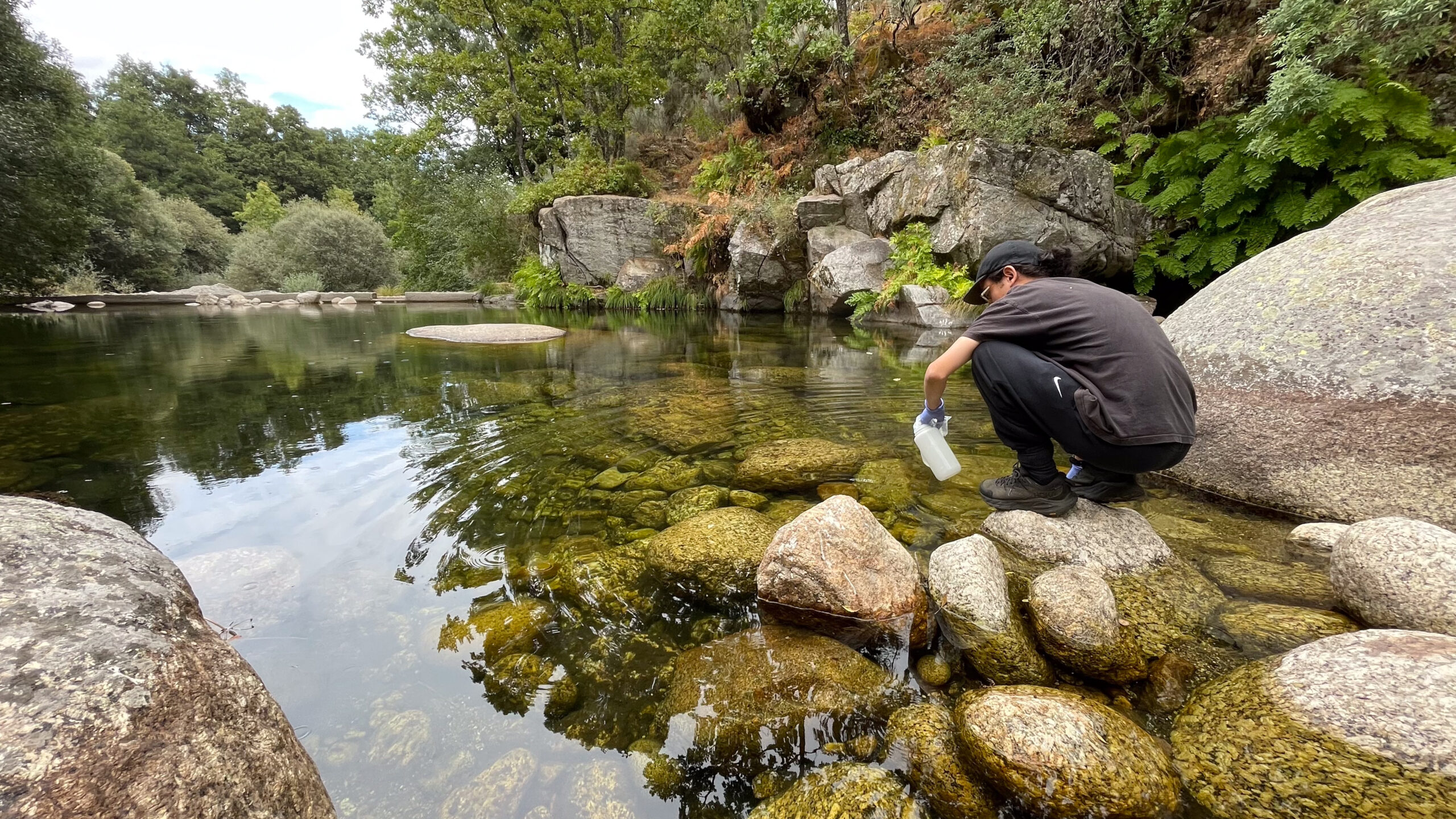
Joseph Trafford sampling river water in Serra da Estrela, Portugal for Ranavirus eDNA
~ Photo credit: Gonçalo Rosa (Institute of Zoology/University College London)
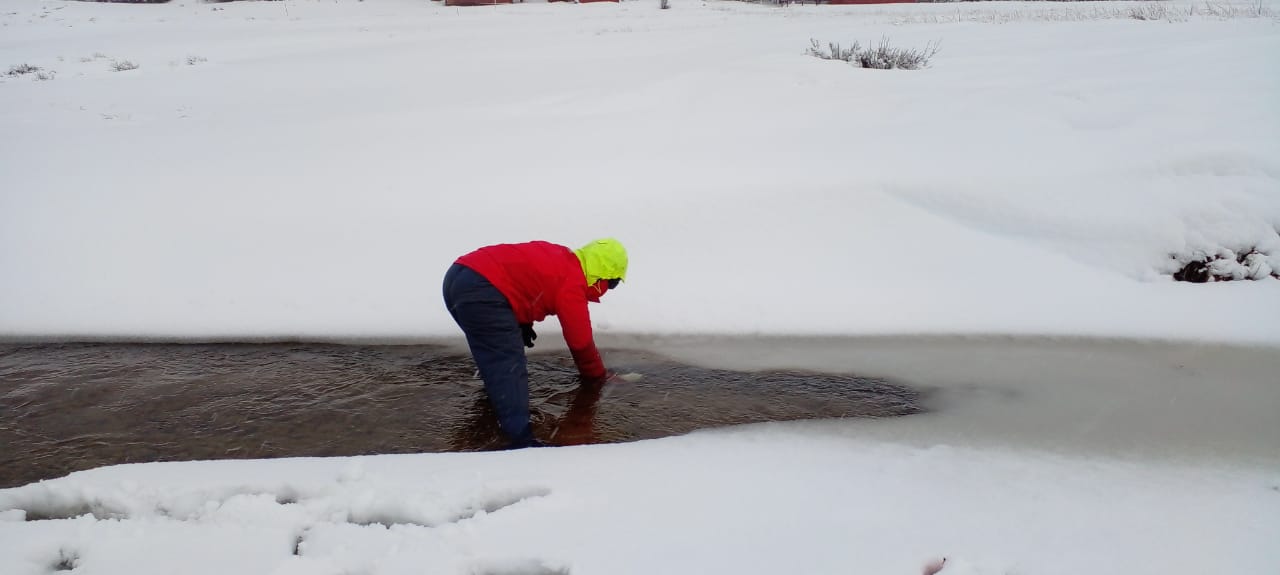
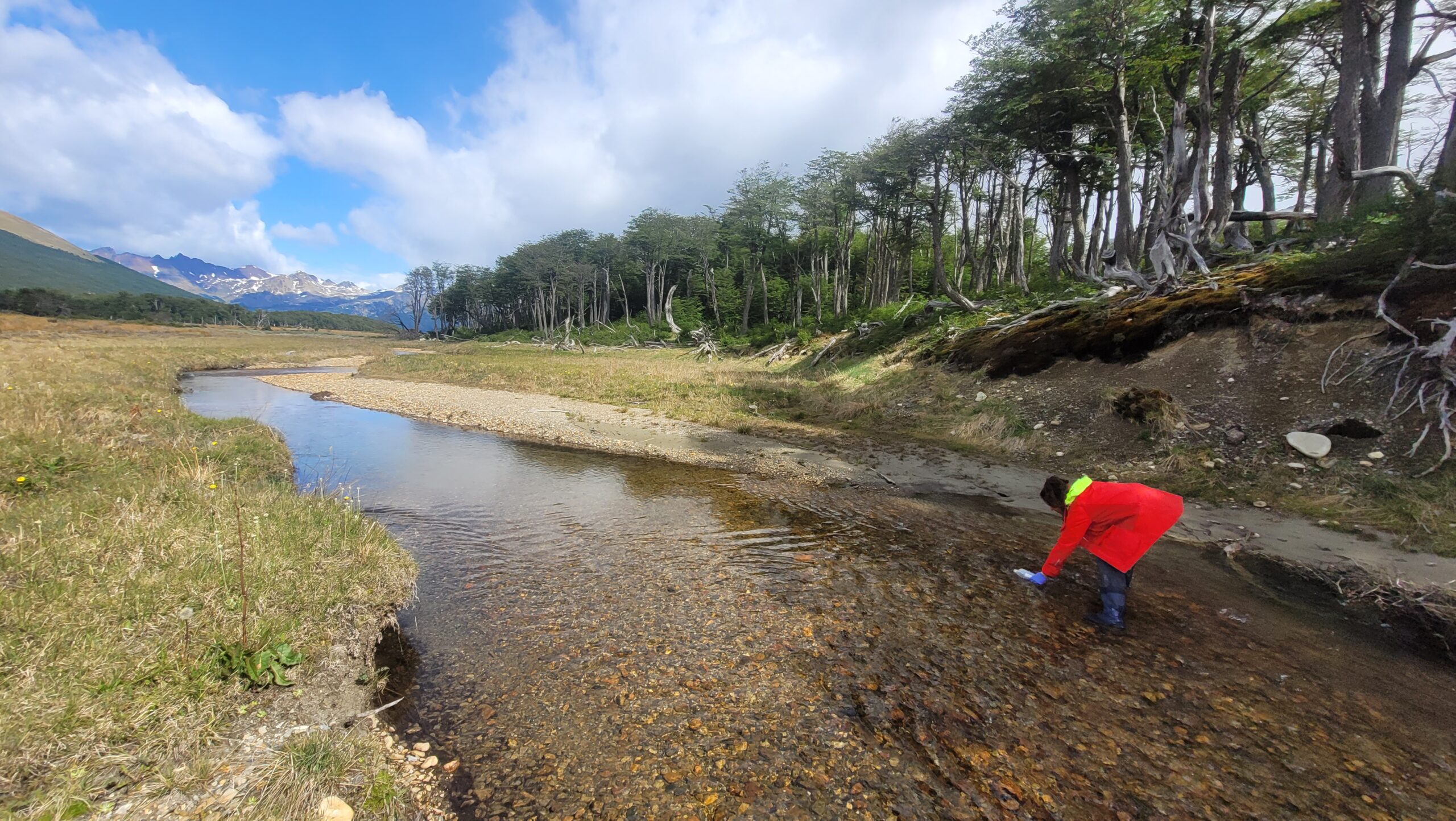
PhD Student Marianela Veyñ taking a water sample from Lasifashaj River for eDNA analysis in Tierra del Fuego, Argentina
~ Photo credit: Dr Tomás Chalde, National Scientific and Technical Research Council (Buenos Aires, Argentina)
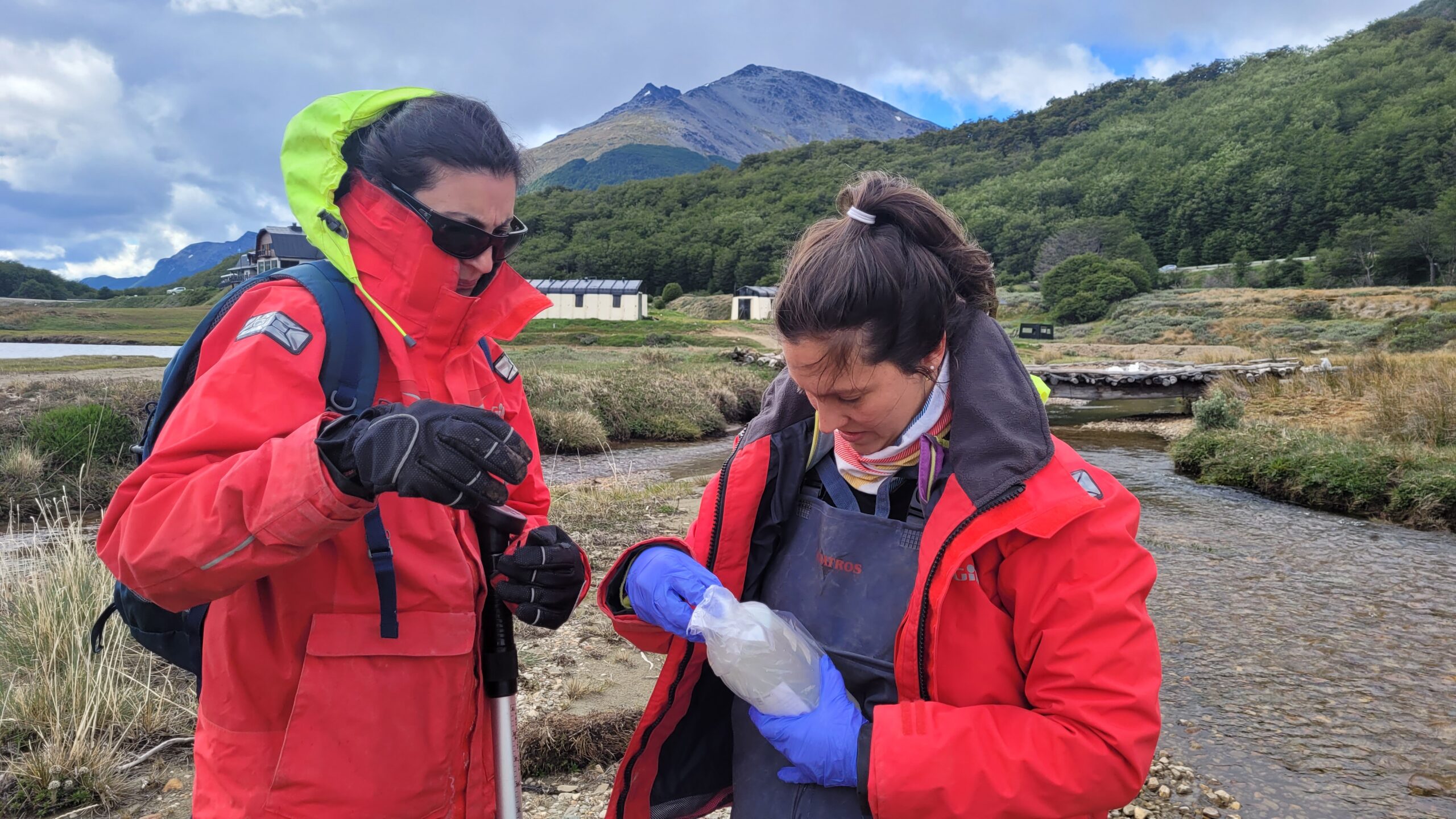
Dr Cristina Nardi and PhD Student Marianela Veyñ after recollecting a water sample from Lasifashaj River for eDNA analysis in Tierra del Fuego, Argentina
~ Photo credit: Mariano Rodriguez, Centro Austral de Investigaciones Científicas (Tierra del Fuego, Argentina)
PhD Student Marianela Veyñ taking a water sample from Lasifashaj River for eDNA analysis
~ Photo credit: Mariano Rodríguez, Centro Austral de Investigaciones Científicas (Tierra del Fuego, Argentina)
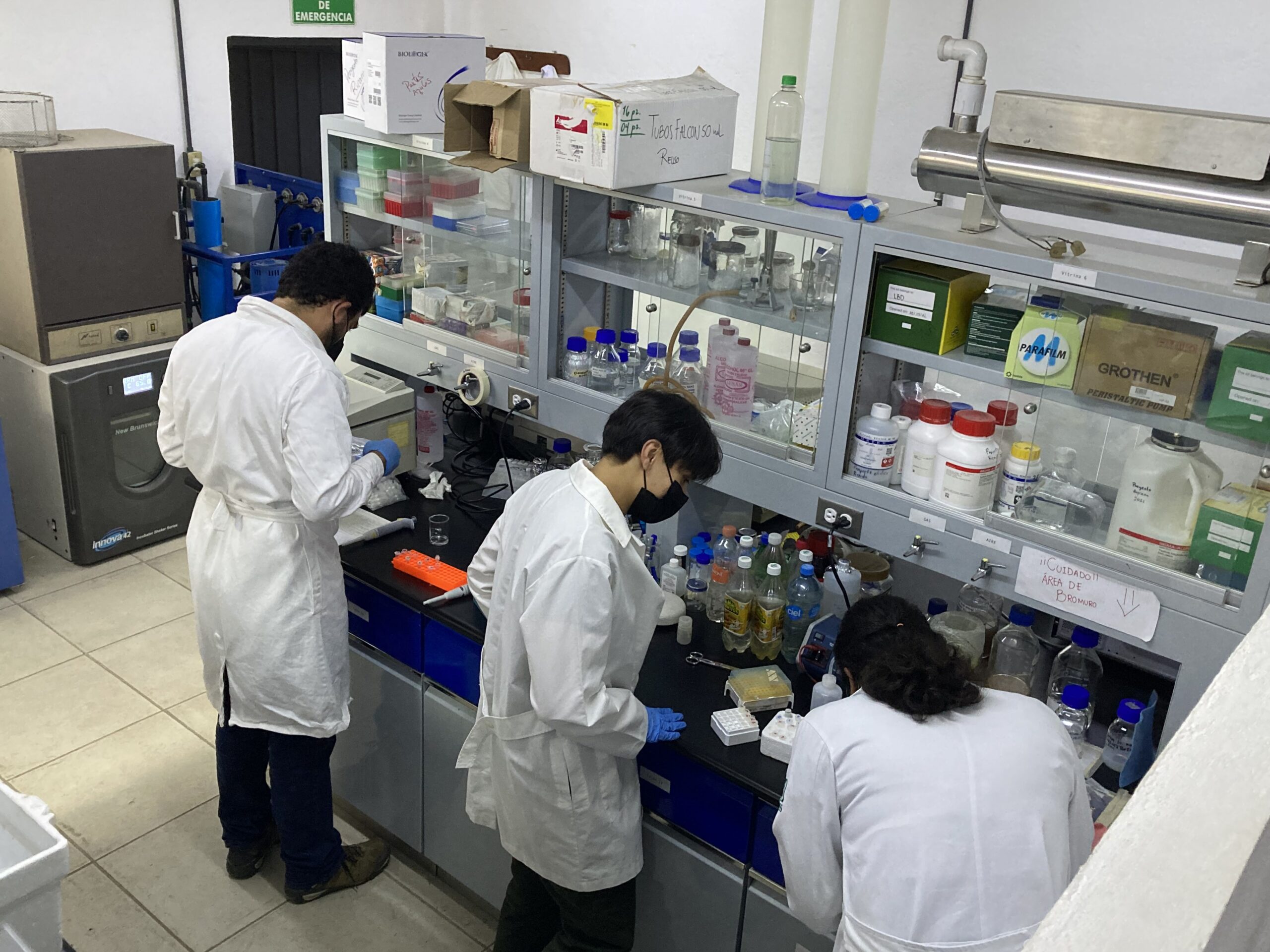
Processing eDNA in the lab
~ Photo credit: Ricardo Iván Cruz Cano (Universidad Nacional Autónoma de México)
Luciano Pastorelli Bravo from Universidad Peruana Cayetano Heredia (Lima, Peru) processing water samples
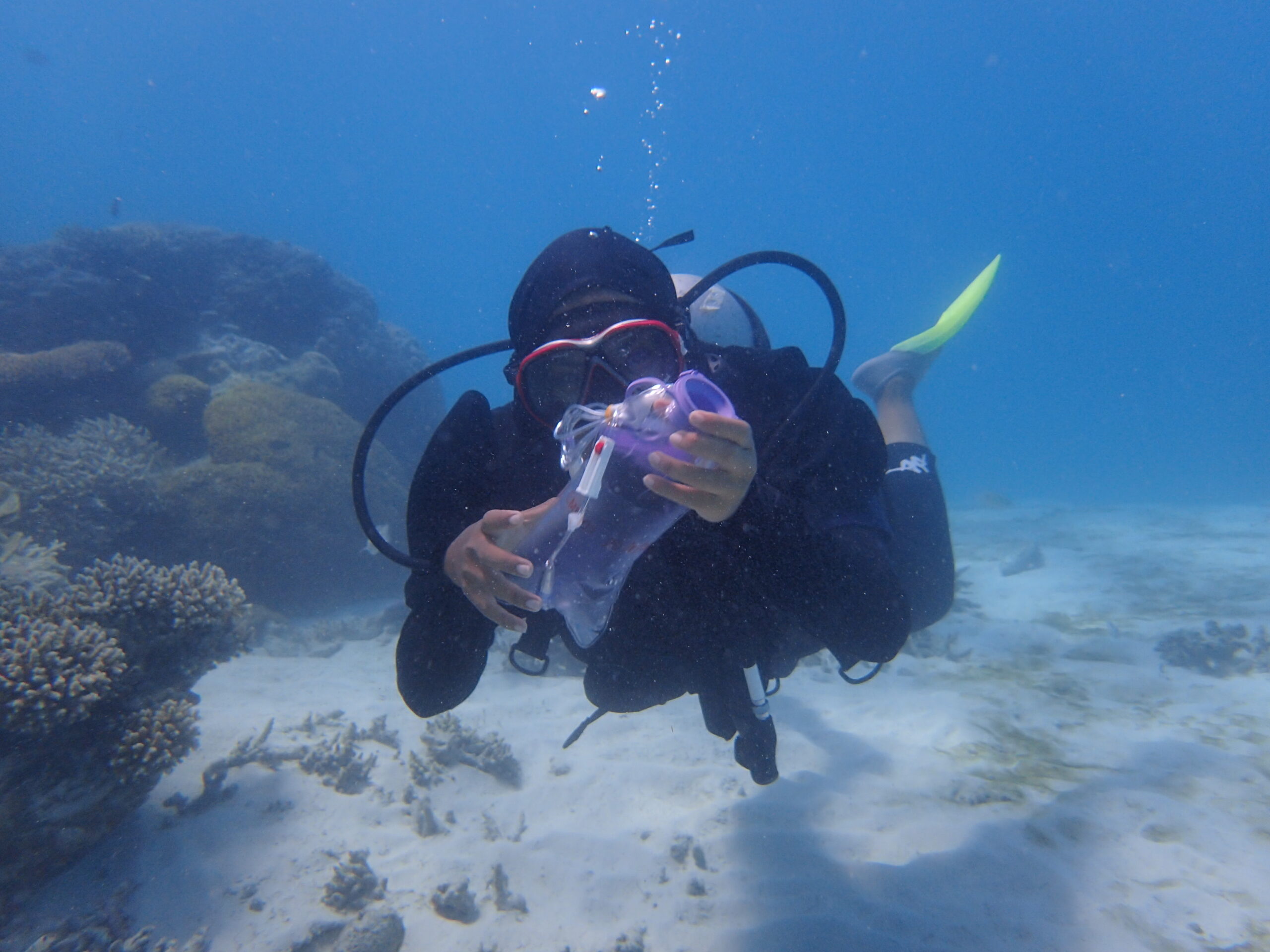

Nenik Kholilah, from Diponegoro Marine Biodiversity Laboratory, Universitas Diponegoro (Indonesia) taking a one liter seawater sample at the 5-10 meter depth using sampling pouch in Karimunjawa National Park, Central Java, Indonesia
~ Photo credit: M. Danie Al Malik from Fisheries and Marine Science Faculty, Universitas Diponegoro (Indonesia)
Eka Maya Kurniasih from Graduate School of Engineering and Science, University of The Ryukyus (Okinawa, Japan) and Muhammad Salauddin Ramadhan Djarod from Seacrest – Seagrass Conservation and Research Center (Indonesia) labeling and placing water samples in a cool box for later processing in Karimunjawa, Central Java, Indonesia
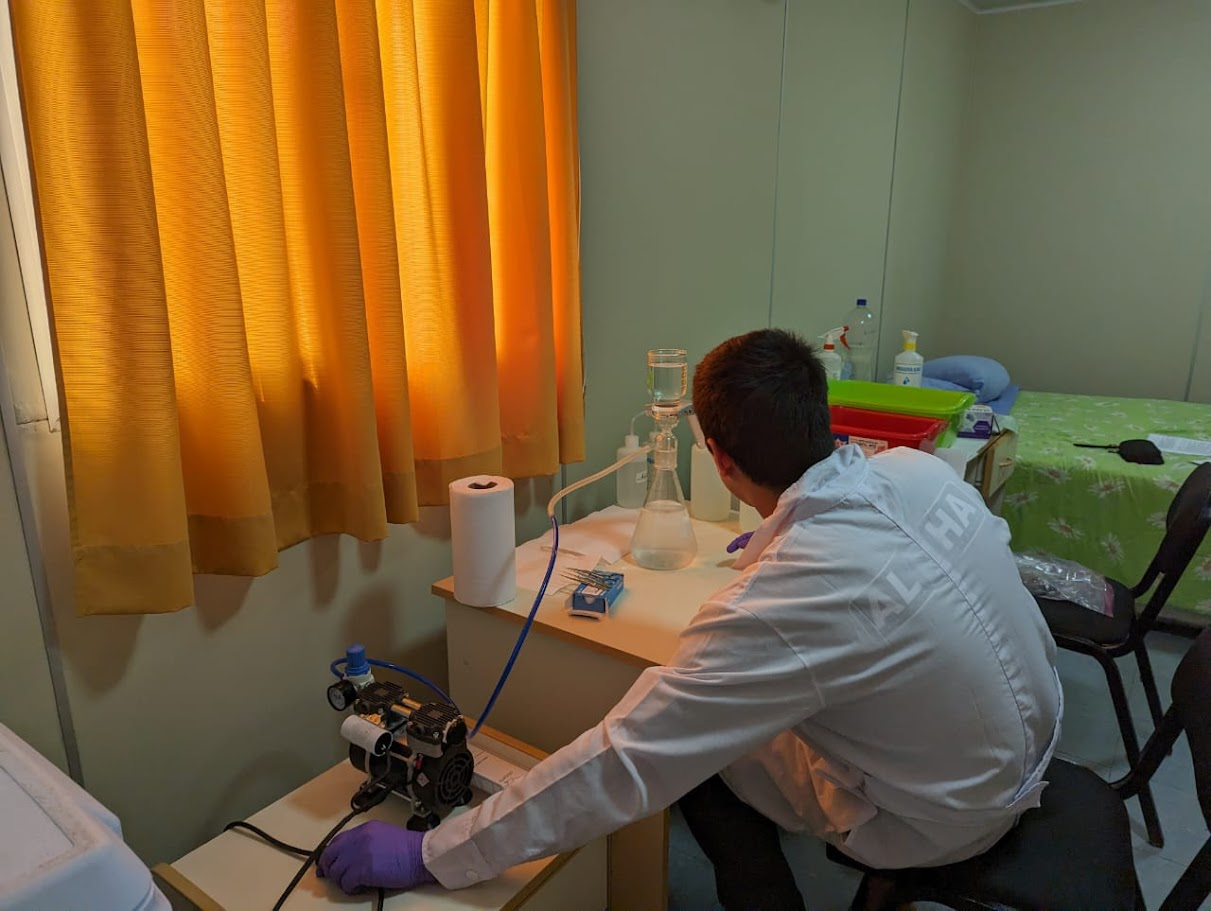
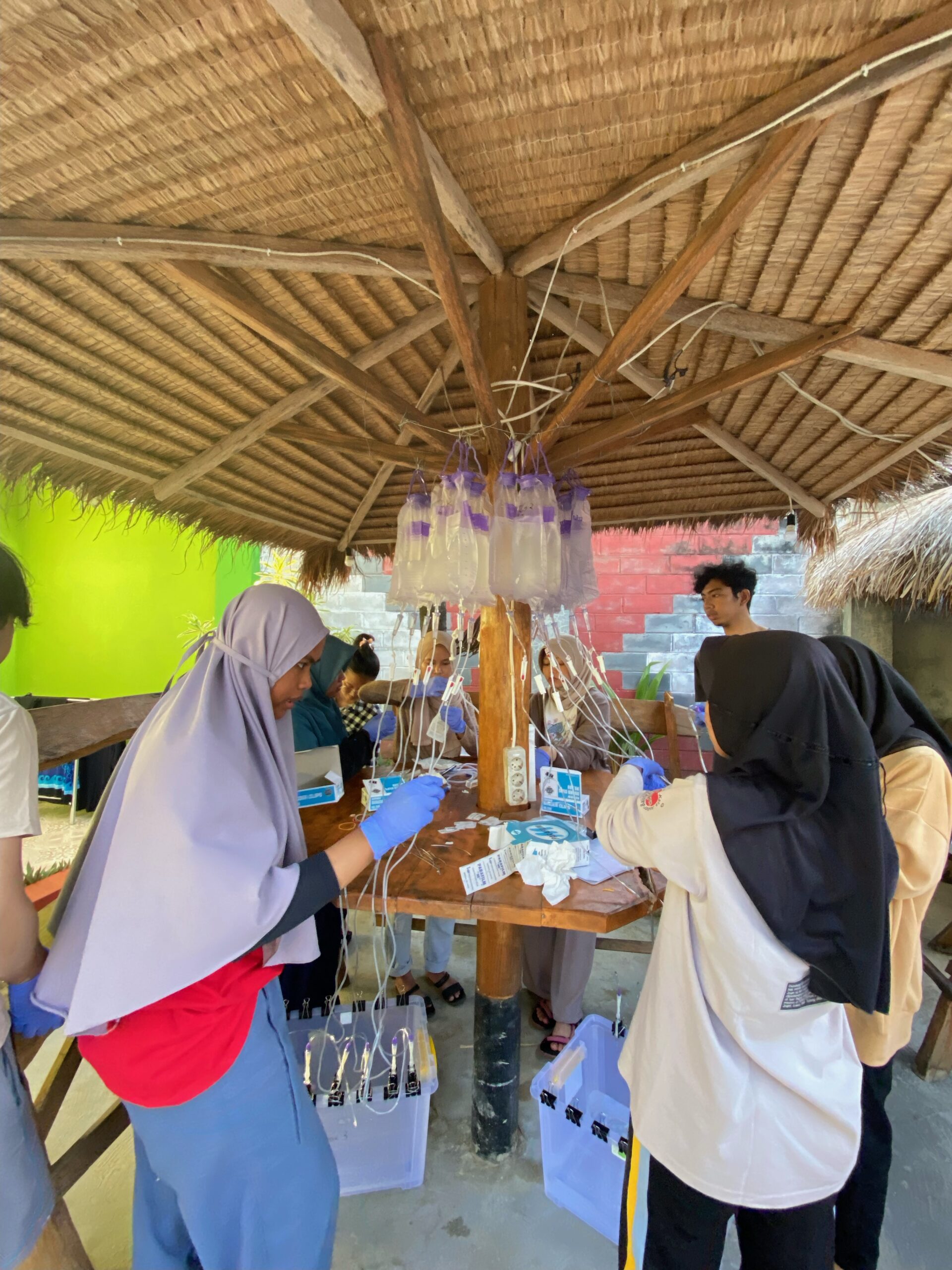
Students from the Biology and Marine Science Departments, Universitas Diponegoro (Indonesia) filtering seawater using the gravity method after collecting samples from the sea in Karimunjawa, Central Java, Indonesia
~ Photo credit: Eka Maya Kurniasih from Graduate School of Engineering and Science, University of The Ryukyus (Okinawa, Japan)
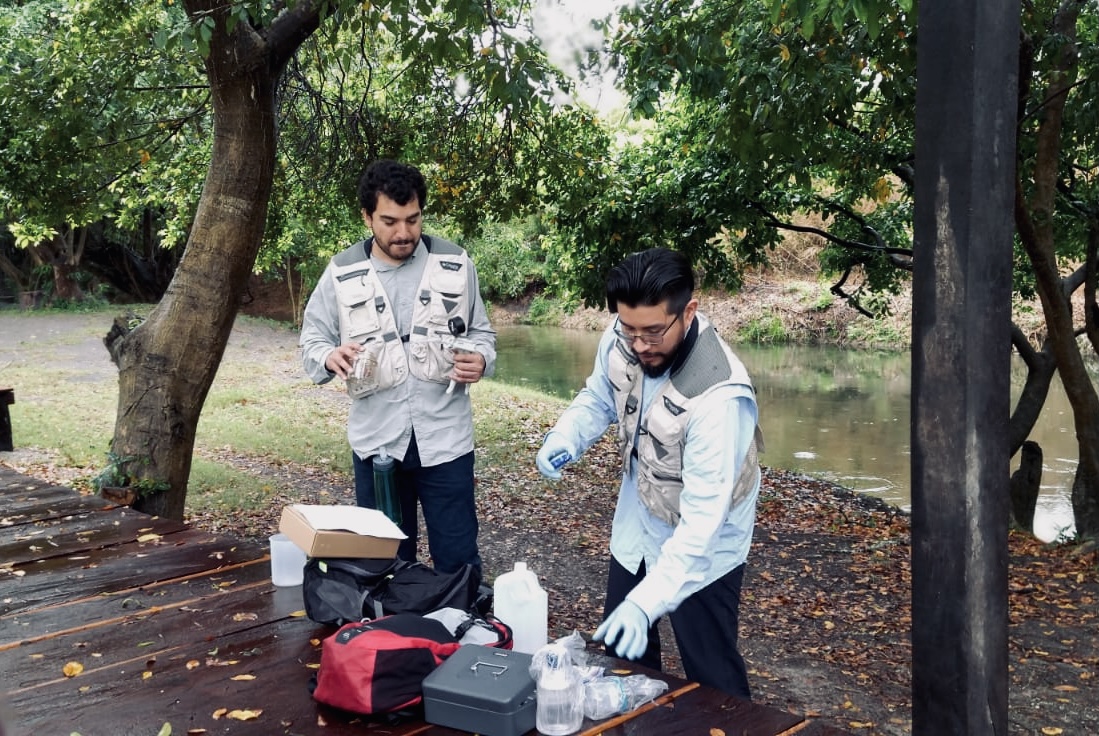
Ricardo Iván Cruz Cano and collaborator assessing ecosystemic integrity in many freshwater sites from México including Magdalena River in Mexico City; Calakmul in Campeche; Río Hondo in Quintana Roo; and Cuautla in Morelos
~ Photo by Alejandro Aldama Cervantes (Universidad Nacional Autónoma de México)
Collaborator Assessing Ecosystemic Integrity in many freshwater sites from México including Magdalena River in Mexico City; Calakmul in Campeche; Río Hondo in Quintana Roo; and Cuautla in Morelos
~ Photo credit: Alejandro Aldama Cervantes (Universidad Nacional Autónoma de México)
Collaborator Assessing Ecosystemic Integrity in many freshwater sites from México including Magdalena River in Mexico City; Calakmul in Campeche; Río Hondo in Quintana Roo; and Cuautla in Morelos
~ Photo credit: Alejandro Aldama Cervantes (Universidad Nacional Autónoma de México)
Collaborator Assessing Ecosystemic Integrity in many freshwater sites from México including Magdalena River in Mexico City; Calakmul in Campeche; Río Hondo in Quintana Roo; and Cuautla in Morelos
~ Photo credit: Alejandro Aldama Cervantes (Universidad Nacional Autónoma de México)
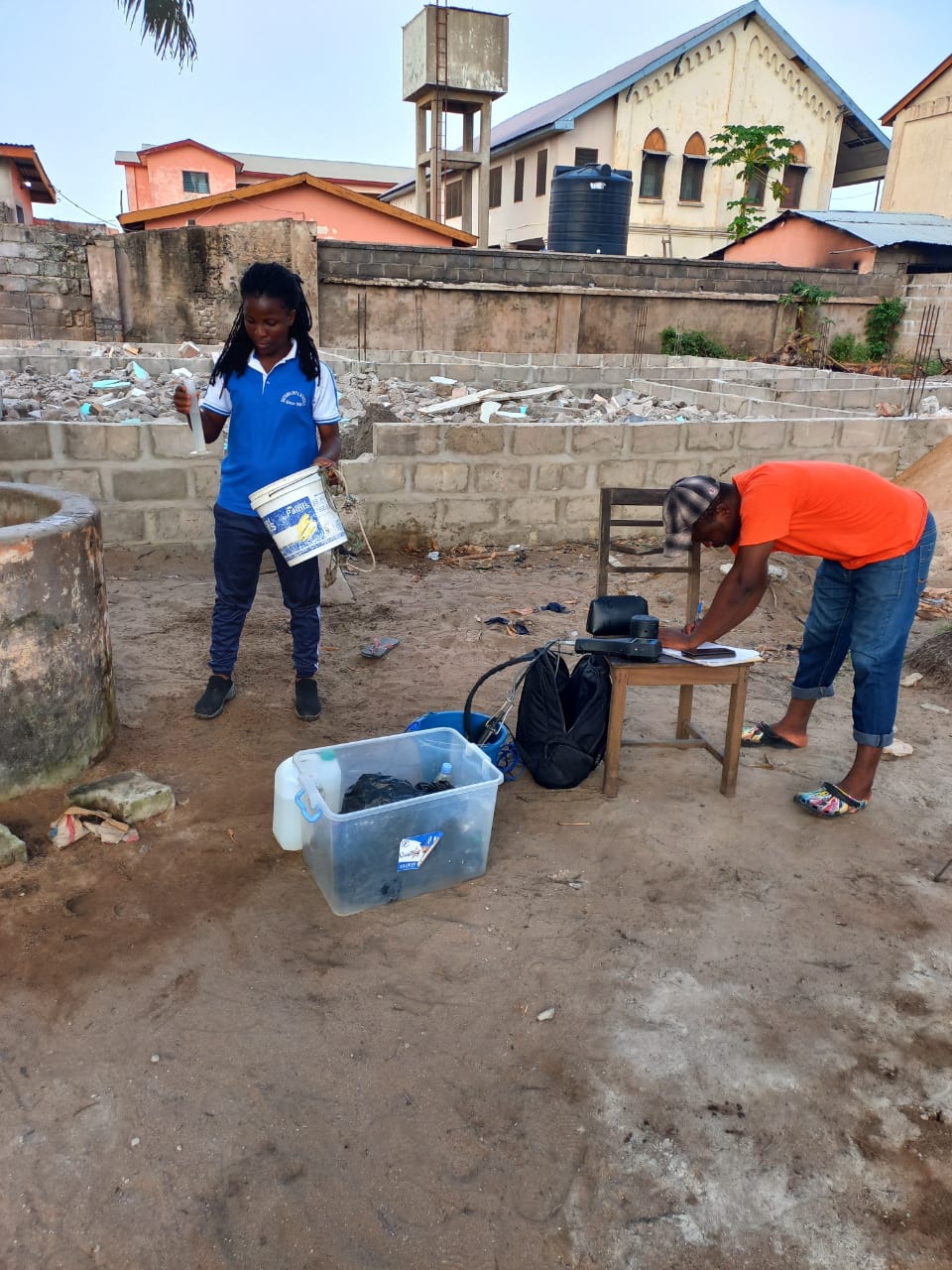
Dr. Charles Abimbola Faseyi and Grace Emuobonuvie Ayeta sampling groundwater in Keta, Ghana
~ Photo credit: Stephen Kwaw (All at University of Cape Coast, Ghana)
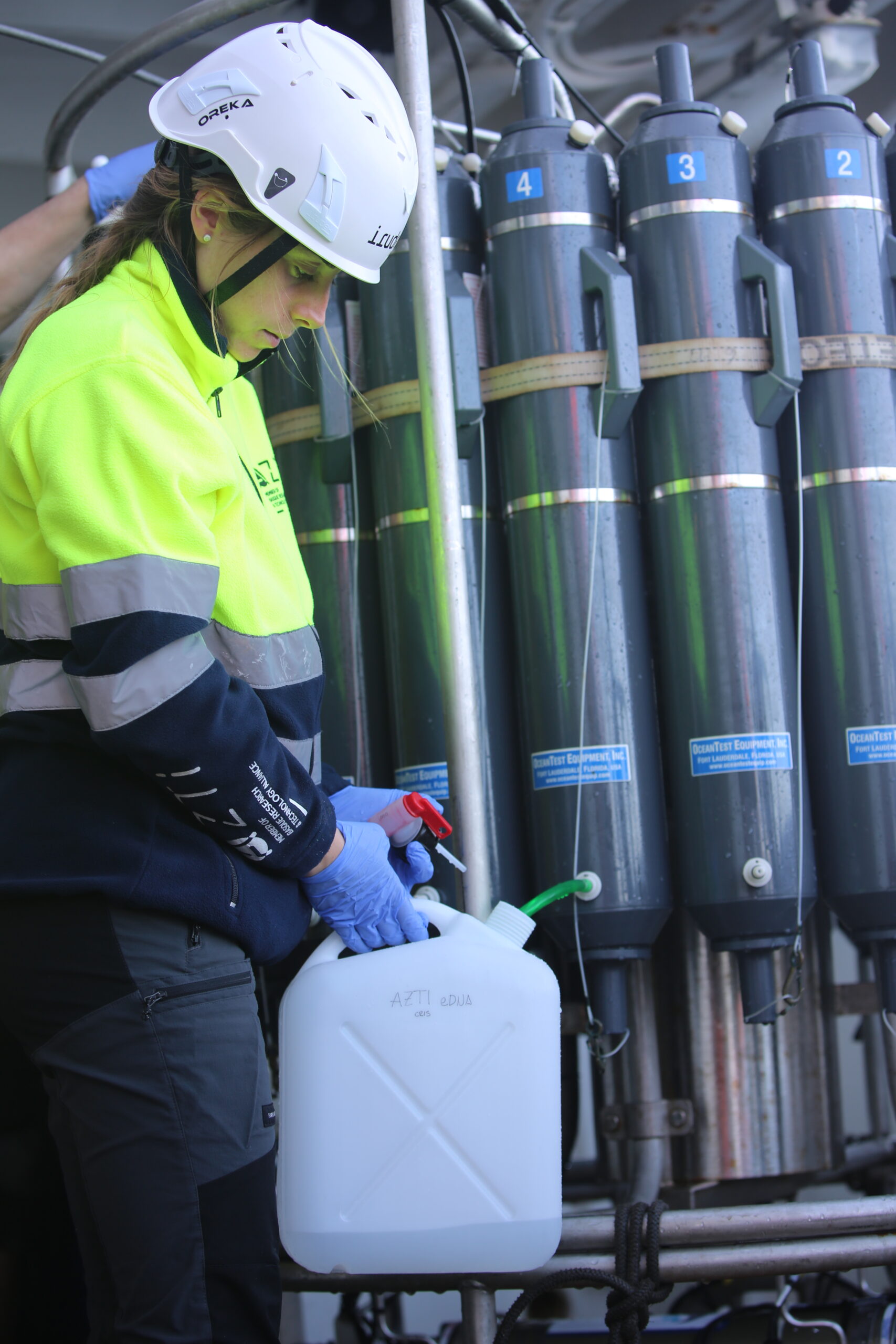
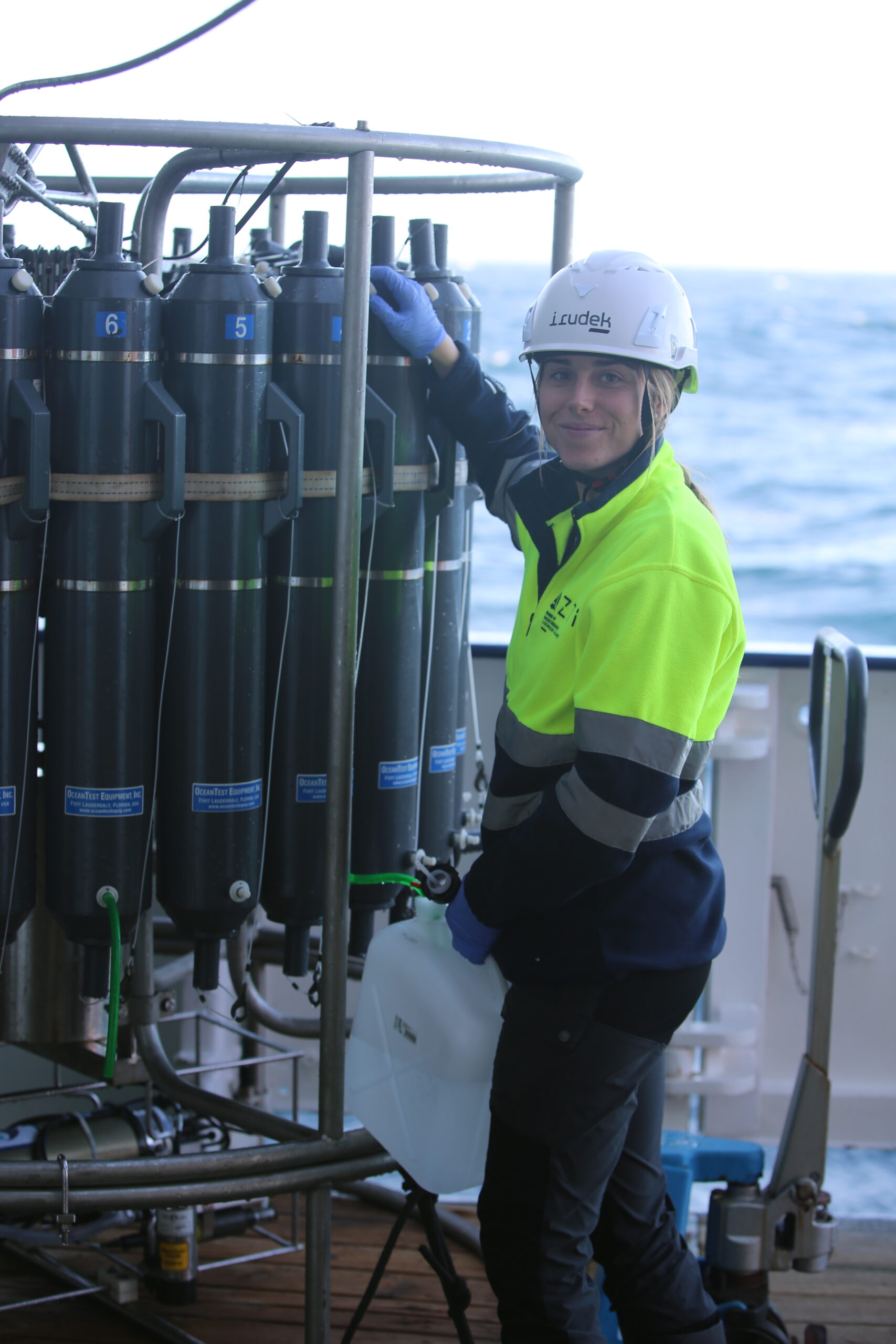
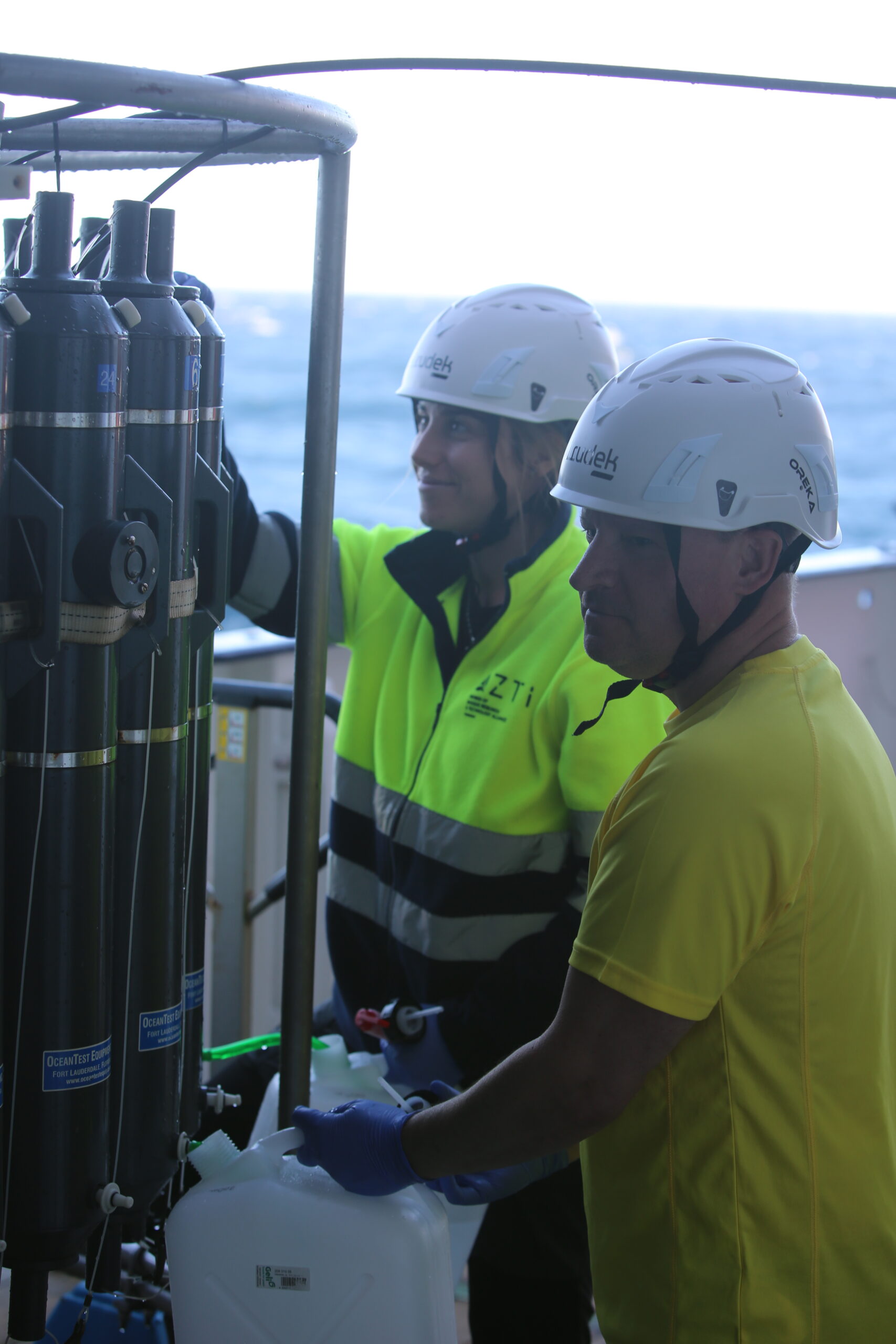
PhD student Cristina Claver from AZTI (Spain) retrieving water from different depths from the niskin carrousel to be later filtered onboard
~ Photo credit: Marko Freese, AZTI (Sukarrieta, Spain)
PhD student Cristina Claver from AZTI (Spain) retrieving water from different depths from the niskin carrousel to be later filtered onboard
~ Photo credit: Marko Freese, AZTI (Sukarrieta, Spain)
PhD student Cristina Claver and Luis Ferrer from AZTI (Spain) retrieving water from different depths from the niskin carrousel to be later filtered onboard
~ Photo credit: Marko Freese, AZTI (Sukarrieta, Spain)
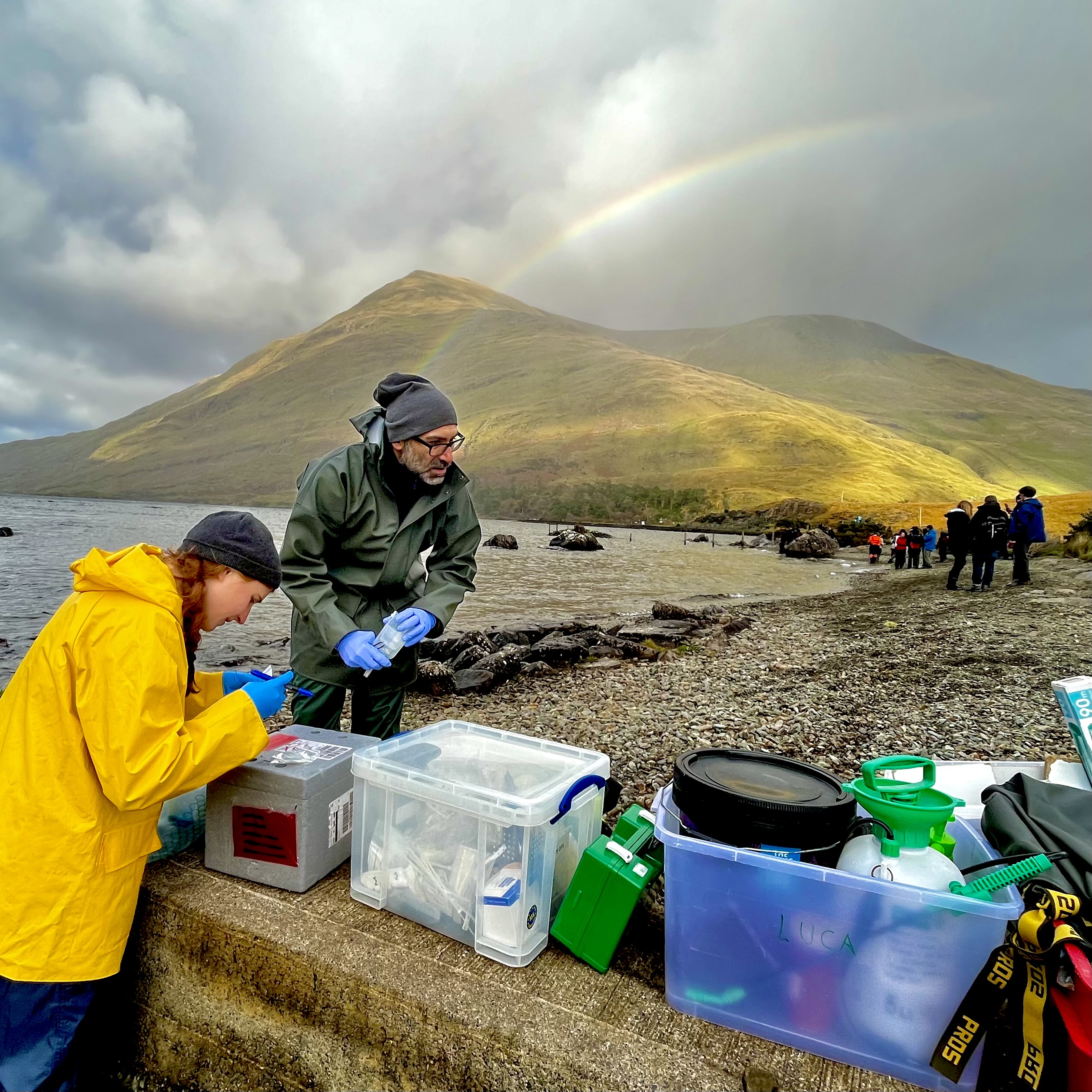
Dr. Luca Mirimin and PhD student Maddalena Tibone from Atlantic Technological University (Ireland) sampling an Irish lake for eDNA
~ Photo credit: Stephanie Coster, Randolph-Macon College (Virginia, USA)
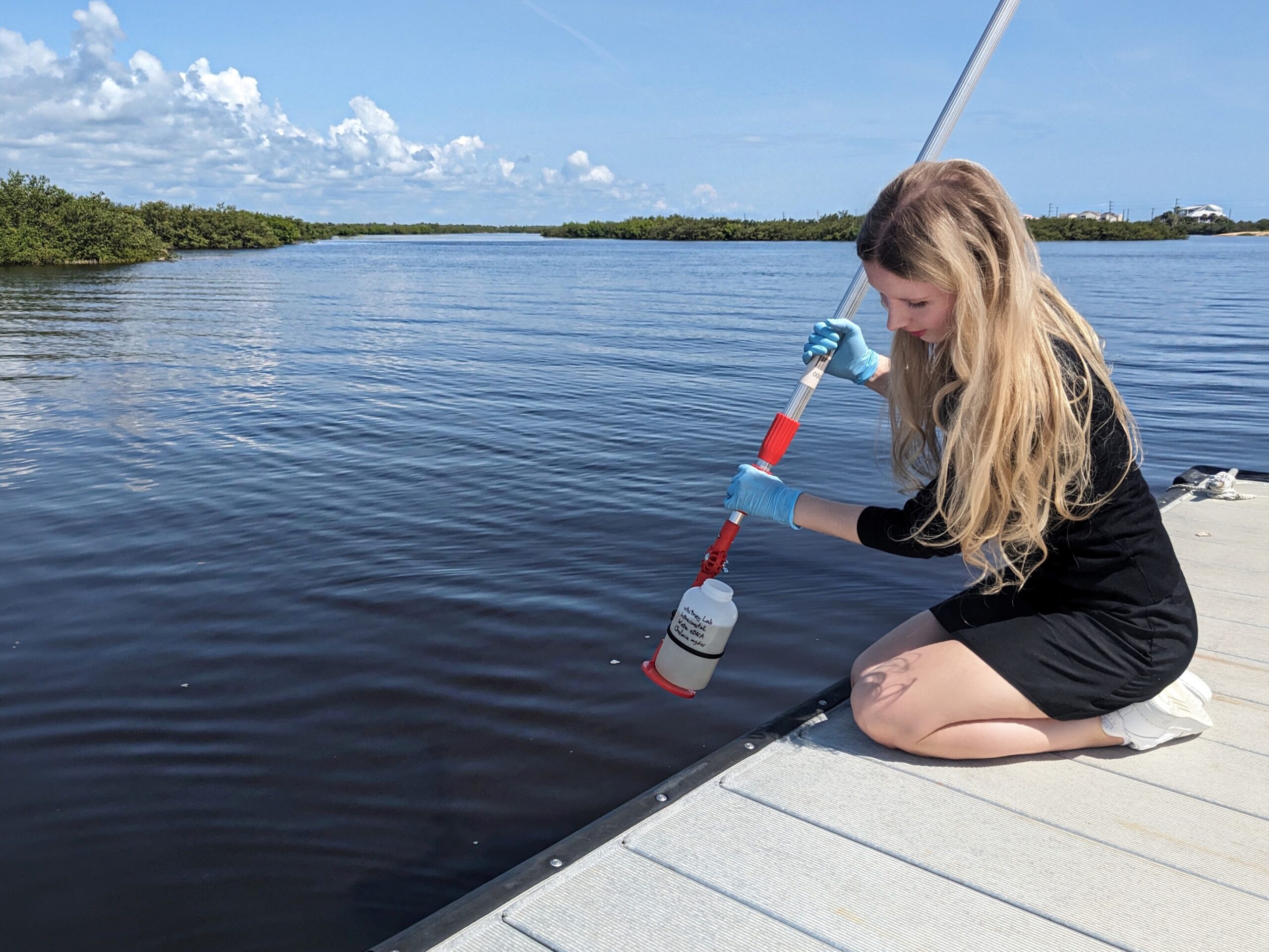
Dr. Jessica Alice Farrell from the University of Florida (USA) collecting water eDNA to detect sea turtle species their fibropapillomatosis-associated herpesvirus ChHV5
~ Photo credit: Heather Krumholtz, University of Florida (USA)
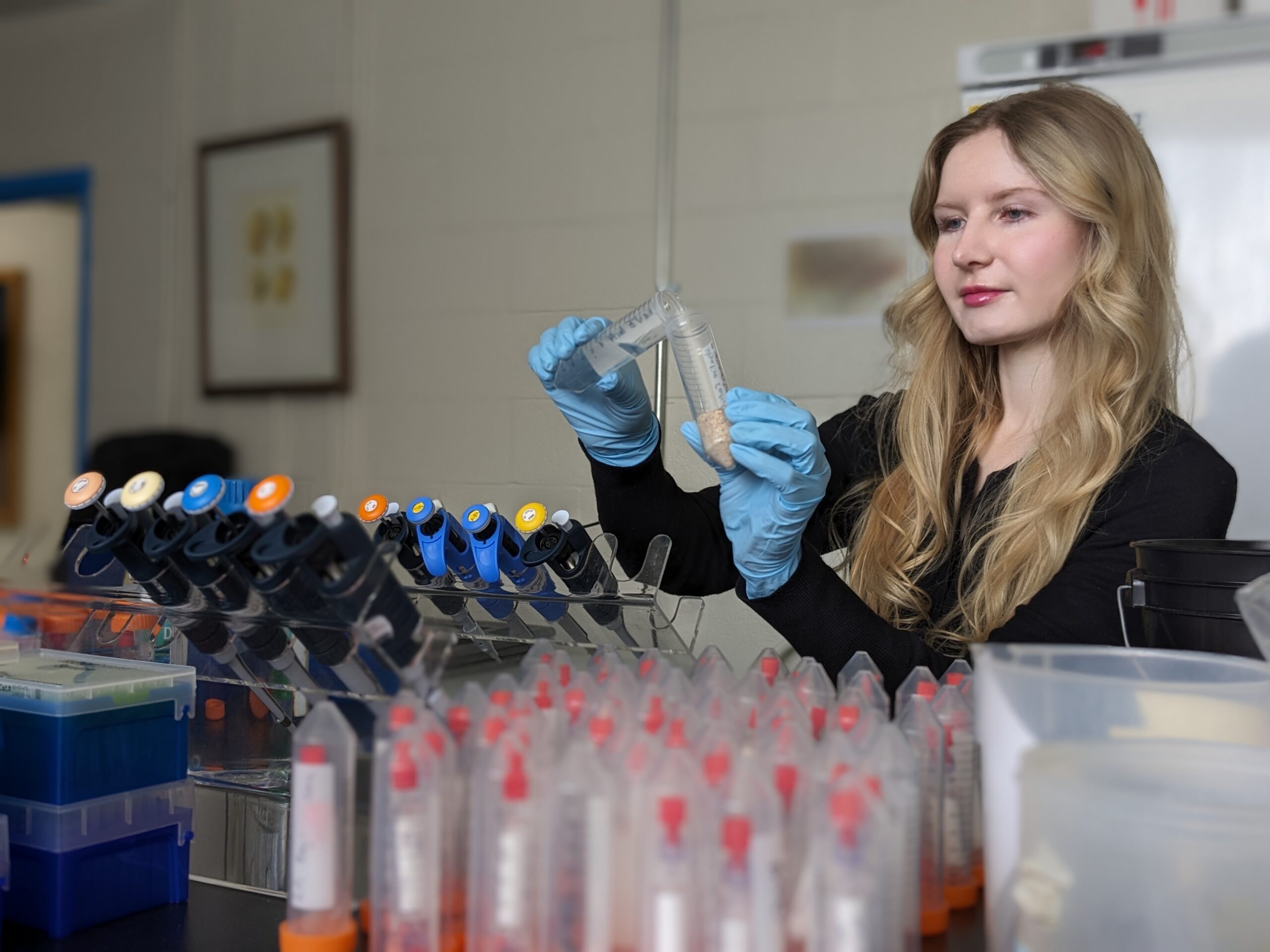
Dr. Jessica Alice Farrell from the University of Florida (USA) processing sand eDNA to detect sea turtle species their fibropapillomatosis-associated herpesvirus ChHV5
~ Photo credit: Heather Krumholtz, University of Florida (USA)
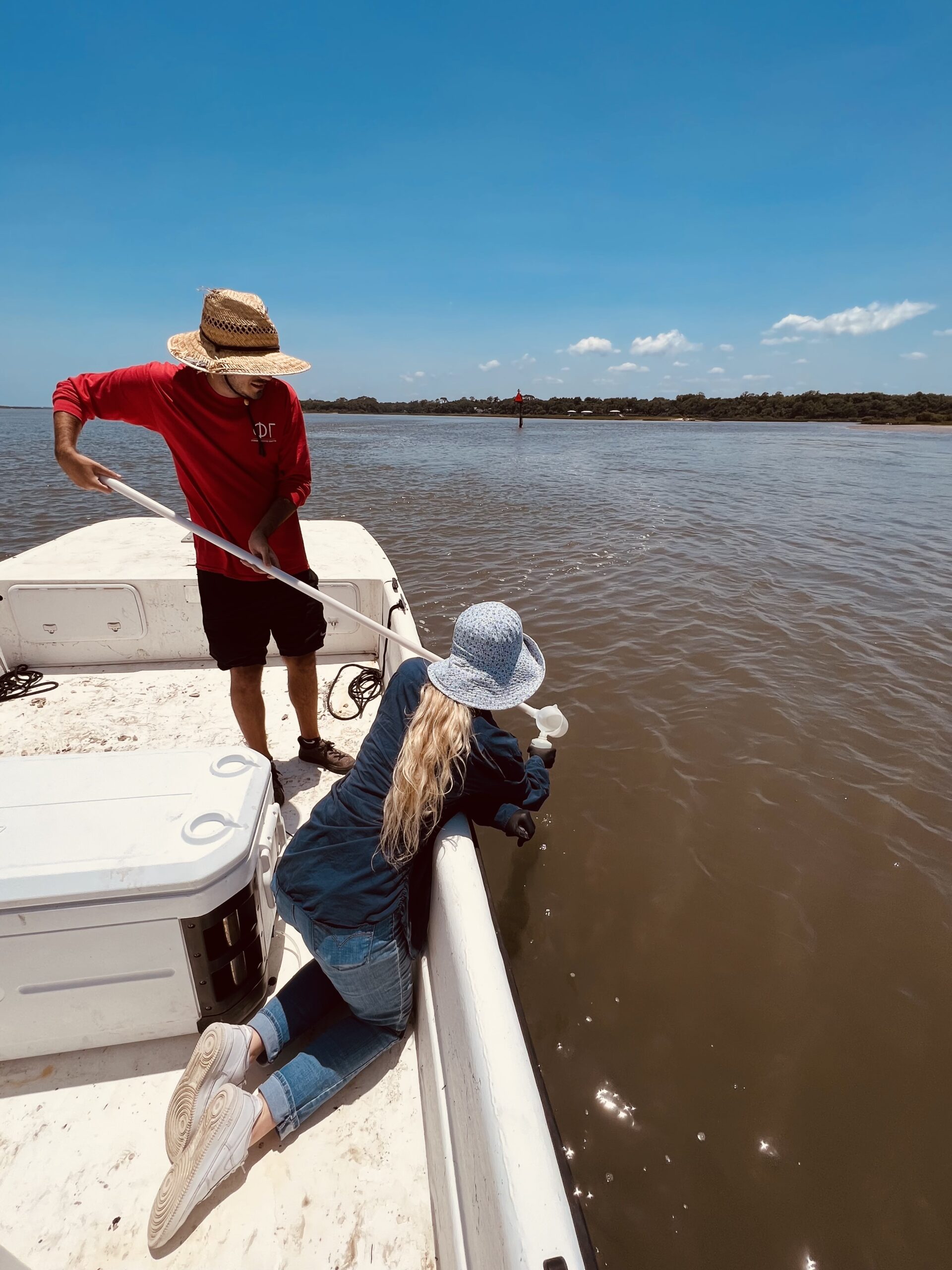
Sean Goggin and Dr. Jessica Alice Farrell from the University of Florida (USA) collecting water eDNA for multi-species Oxford Nanopore sequencing
~ Photo credit: Dr. Todd Osborne, University of Florida (USA)
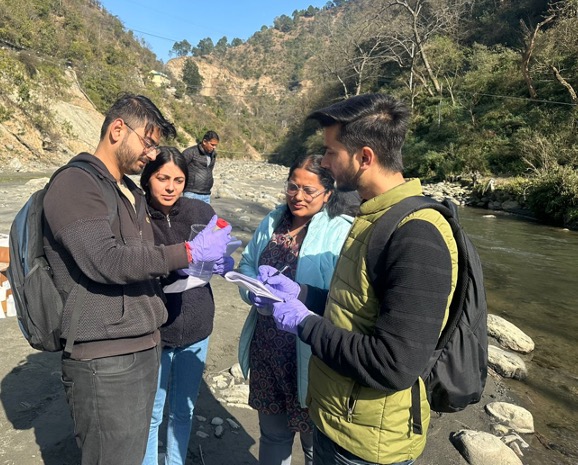
Indian Institute of Technology, Mandi (Himachal Pradesh, India) students performing field measurements on freshly collected river water sample
~ Photo credit: Dr. Harshad Vijay Kulkarni, ITT Mandi
About Us
After a decade of working to help develop eDNA methods and applications, we created the Collaborative to accelerate eDNA research through ongoing original research and by building a network of practitioners. Our small (but mighty) team sits at the University of Washington in the School of Marine and Environmental Affairs.